Police Scotland Investigates Reports of Athletes Missing After Glasgow Commonwealth Games
Playing ArticleNatural voice ready
Police Scotland Investigates Reports of Athletes Missing After Glasgow Commonwealth GamesSeveral athletes who participated in the Glasgow 2026 Commonwealth Games have reportedly failed to return home with their national teams, prompting inquiries by Police Scotland and engagement with UK immigration authorities.Police Scotland confirmed that it had received reports concerning several competitors who were currently unaccounted for following the conclusion of the Games on Sunday.A police spokesperson said inquiries were underway to establish the circumstances surrounding the athletes’ absence. The spokesperson added that officers had begun discussions with the Home Office.Among those reportedly missing are four members of Uganda’s boxing team.Ugandan sports outlet NBS Sport identified the boxers as Nuhu Batte, Angel Katushabe, Ibrahim Kemis and Emily Nakalema. According to the outlet, the four athletes did not report for their scheduled journey home with the rest of the Ugandan delegation.NBS Sport said it had communicated with one of the missing boxers, who claimed that the athletes planned to seek asylum in Scotland.The boxer reportedly said they hoped to continue their sporting careers in a country they believed could provide stronger training facilities and better professional opportunities. The athlete also appealed to Ugandans not to condemn them for the reported decision.A Team Uganda representative told BBC Scotland News that the delegation would not comment on the matter. The remaining members of the Ugandan team have since left Scotland for their home country.A Pakistani boxer has also reportedly failed to travel home with his teammates.Pakistan Today reported that Qudratullah was absent when the Pakistani delegation prepared to leave Glasgow. According to the publication, team officials later visited his room but were unable to locate him.The reports emerged as athletes and officials continued to depart Glasgow after 11 days of competition.Under the Glasgow 2026 length-of-stay policy, accommodation provided by the Games was expected to end two nights after the completion of an athlete’s sporting event.Glasgow 2026 spokesperson Sophie Ashcroft said the city had hosted approximately 3,000 athletes representing 74 Commonwealth nations and territories during the competition.She said organisers were working with Police Scotland, Border Force and UK Visas and Immigration as athletes and support staff left the city.Ashcroft said the cooperation was intended to ensure that the Games concluded safely and securely.Similar incidents have been reported after previous editions of the Commonwealth Games, with some athletes later seeking asylum while others remained unaccounted for.Following the 2014 Commonwealth Games in Glasgow, two Ugandan rugby players disappeared and were later found playing for a small rugby team in Cardiff.One of the players, Philip Pariyo, was subsequently sentenced to four and a half years in prison after being convicted of raping a woman in Cardiff.Cameroonian weightlifter Cyrille Tchatchet II also disappeared after competing at the 2014 Games. He reportedly left to escape conditions in Cameroon.Tchatchet finished fifth during the 2014 competition before returning to the Commonwealth Games in 2026, where he won a silver medal.The Home Office is understood to conduct additional checks on people travelling to the United Kingdom for major international sporting events. It also works with event sponsors and organisers to strengthen controls over entry arrangements.Any asylum applications made by athletes would be examined individually, based on the circumstances and evidence connected to each case.The Glasgow Games ended on Sunday after a streamlined programme involving 10 sports staged at four locations across the city.Organisers said the revised format had helped preserve and reshape the Commonwealth Games after the future of the competition became uncertain when Victoria withdrew as the original host.
Police Scotland Investigates Reports of Athletes Missing After Glasgow Commonwealth Games
Several athletes who participated in the Glasgow 2026 Commonwealth Games have reportedly failed to return home with their national teams, prompting inquiries by Police Scotland and engagement with UK immigration authorities.
Police Scotland confirmed that it had received reports concerning several competitors who were currently unaccounted for following the conclusion of the Games on Sunday.
A police spokesperson said inquiries were underway to establish the circumstances surrounding the athletes’ absence. The spokesperson added that officers had begun discussions with the Home Office.
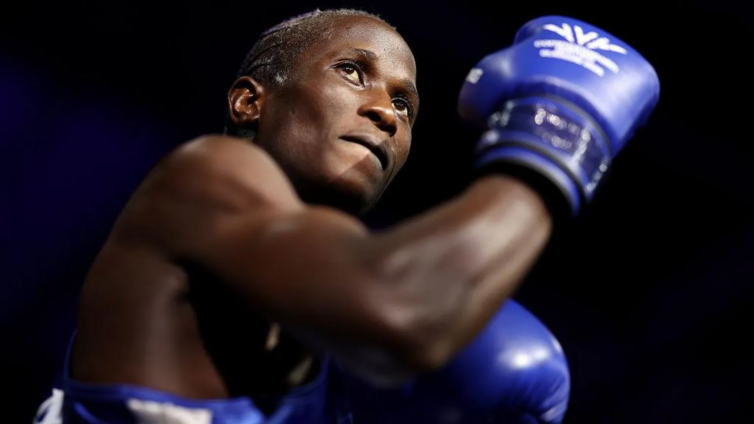
Among those reportedly missing are four members of Uganda’s boxing team.
Ugandan sports outlet NBS Sport identified the boxers as Nuhu Batte, Angel Katushabe, Ibrahim Kemis and Emily Nakalema. According to the outlet, the four athletes did not report for their scheduled journey home with the rest of the Ugandan delegation.
NBS Sport said it had communicated with one of the missing boxers, who claimed that the athletes planned to seek asylum in Scotland.
The boxer reportedly said they hoped to continue their sporting careers in a country they believed could provide stronger training facilities and better professional opportunities. The athlete also appealed to Ugandans not to condemn them for the reported decision.
A Team Uganda representative told BBC Scotland News that the delegation would not comment on the matter. The remaining members of the Ugandan team have since left Scotland for their home country.
A Pakistani boxer has also reportedly failed to travel home with his teammates.
Pakistan Today reported that Qudratullah was absent when the Pakistani delegation prepared to leave Glasgow. According to the publication, team officials later visited his room but were unable to locate him.
The reports emerged as athletes and officials continued to depart Glasgow after 11 days of competition.
Under the Glasgow 2026 length-of-stay policy, accommodation provided by the Games was expected to end two nights after the completion of an athlete’s sporting event.
Glasgow 2026 spokesperson Sophie Ashcroft said the city had hosted approximately 3,000 athletes representing 74 Commonwealth nations and territories during the competition.
She said organisers were working with Police Scotland, Border Force and UK Visas and Immigration as athletes and support staff left the city.
Ashcroft said the cooperation was intended to ensure that the Games concluded safely and securely.
Similar incidents have been reported after previous editions of the Commonwealth Games, with some athletes later seeking asylum while others remained unaccounted for.
Following the 2014 Commonwealth Games in Glasgow, two Ugandan rugby players disappeared and were later found playing for a small rugby team in Cardiff.
One of the players, Philip Pariyo, was subsequently sentenced to four and a half years in prison after being convicted of raping a woman in Cardiff.
Cameroonian weightlifter Cyrille Tchatchet II also disappeared after competing at the 2014 Games. He reportedly left to escape conditions in Cameroon.
Tchatchet finished fifth during the 2014 competition before returning to the Commonwealth Games in 2026, where he won a silver medal.
The Home Office is understood to conduct additional checks on people travelling to the United Kingdom for major international sporting events. It also works with event sponsors and organisers to strengthen controls over entry arrangements.
Any asylum applications made by athletes would be examined individually, based on the circumstances and evidence connected to each case.
The Glasgow Games ended on Sunday after a streamlined programme involving 10 sports staged at four locations across the city.
Organisers said the revised format had helped preserve and reshape the Commonwealth Games after the future of the competition became uncertain when Victoria withdrew as the original host.
Share:
Comments
No approved comments yet.
WHATSAPP CHANNEL
Meaningful stories picked for your day
Follow our WhatsApp channel for important headlines, radio updates and community stories.