By: Rachel Quartey and Rukayatu Musah.
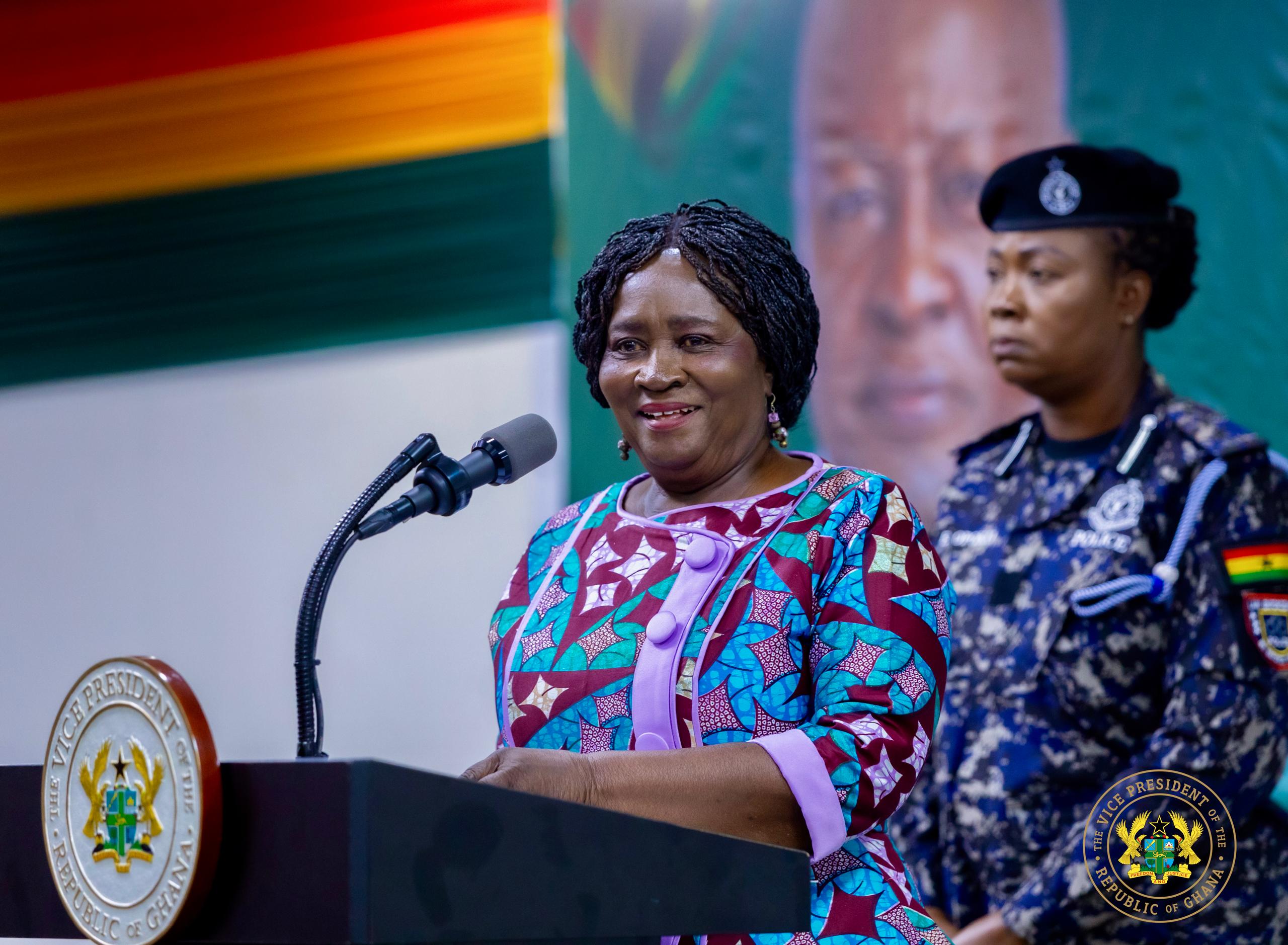
Ho – Vice President Professor Naana Jane Opoku-Agyemang, has reaffirmed government’s commitment to strengthening social dialogue and industrial harmony as critical pillars for accelerating Ghana’s economic growth and national development.
Opening the 2026 National Labour Conference in Ho in the Volta Region, the Vice President said government would continue to engage employers and organised labour to sustain industrial peace, protect workers’ rights and promote decent work across all sectors of the economy.

She stressed the need for inclusive labour policies that leave no worker behind, particularly those togbe afediin the informal sector, while urging stakeholders to embrace dialogue, trust and consensus-building in addressing the country’s labour challenges.
Professor Opoku-Agyemang also underscored the importance of preparing Ghana’s workforce for the changing world of work through skills development, labour market reforms and adaptation to emerging technologies, including artificial intelligence.
The Vice President said strengthening collaboration among government, employers and organised labour is essential to building a resilient labour market capable of supporting sustainable economic transformation.
Minister for Labour, Jobs and Employment, Dr. Abdul-Rashid Pelpuo, described industrial harmony as indispensable to Ghana’s development. He reaffirmed government’s commitment to strengthening social dialogue, reducing industrial disputes and implementing key labour reforms, including the Decent Work Country Programme (2026–2030) and the Labour Bill 2026.
Chairman of the conference, Togbe Afede XIV, praised government, employers and organised labour for maintaining industrial peace despite recent economic challenges. He urged continued investment in critical thinking, innovation, skills development and adaptation to technological change to improve productivity and sustain Ghana’s economic gains.

Volta Regional Minister James Gunu said sustainable national development depends on dialogue, trust and strong partnerships among government, employers and organised labour. He expressed confidence that the conference would produce practical recommendations to strengthen Ghana’s labour and employment agenda.
President of the Ghana Employers’ Association (GEA), Nana Dr. Emmanuel Adu Sarkodie, said industrial harmony and social dialogue are vital to attracting investment, improving productivity and driving enterprise growth. He proposed the establishment of a National Home Ownership Programme to help address Ghana’s housing deficit, arguing that affordable housing would improve worker productivity, support the government’s 24-Hour Economy initiative and create jobs through the use of locally produced building materials.
Secretary-General of the Trades Union Congress (TUC), Joshua Ansah, called for the speedy passage of the revised Labour Bill, stronger social protection and greater investment in skills development. He also urged government to address wage disparities and ensure workers receive fair and equitable treatment.

ILO Director for Anglophone West Africa, Venesa Lerato Phala, called for greater attention to Ghana’s informal sector, expanded social protection and quality job creation for women and young people. She stressed the need for data-driven wage policies, TVET-led skills development and stronger measures to close the gender pay gap as Ghana reforms its labour market.
The three-day conference has brought together representatives of government, employers, organised labour, development partners, academia and other key stakeholders to deliberate on the theme, “Strengthening Industrial Harmony as a Catalyst for Accelerated Economic Growth and National Development.”
Participants are expected to brainstorm, exchange ideas and provide recommendations on key issues affecting the world of work, including labour reforms, social dialogue, employment creation, workplace safety, social protection, productivity, technological transformation and strategies to promote decent work and inclusive economic growth in Ghana.