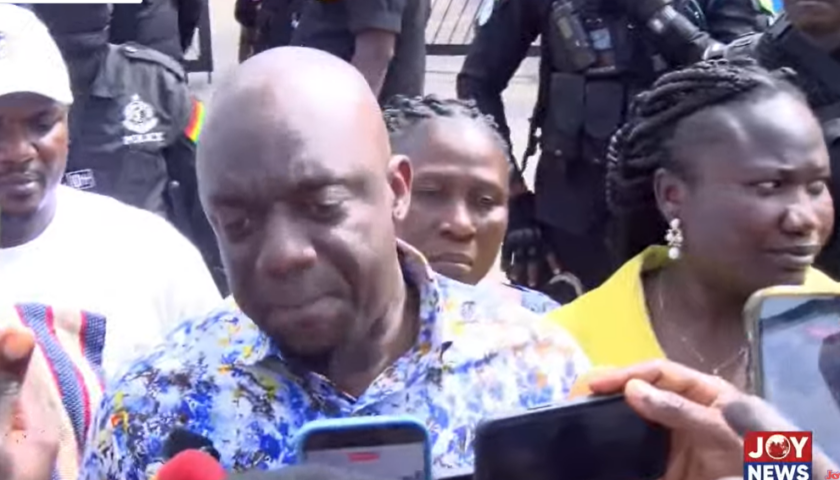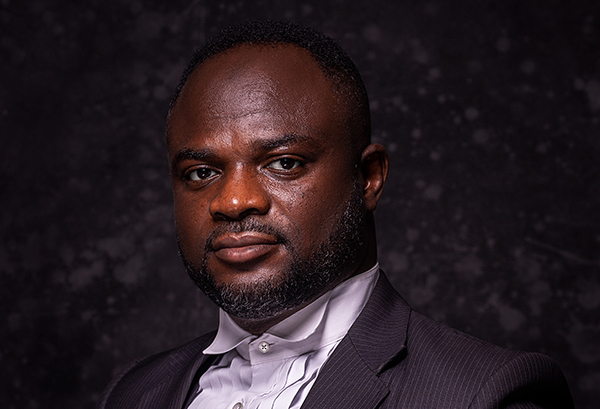
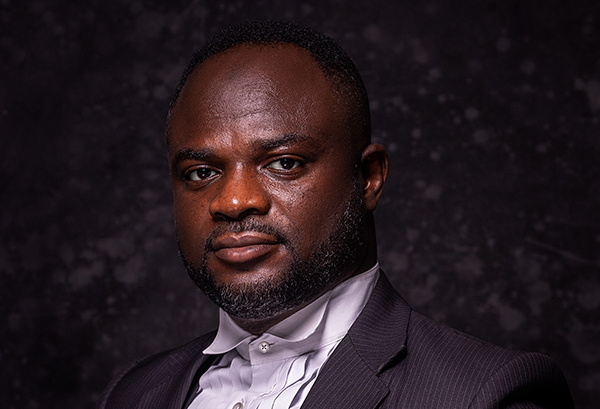
Lecturer at the University of Professional Studies, Accra (UPSA) Law School, Justice Abdulai.
Private legal practitioner Justice Abdulai has said no suspect has the legal right to determine when, where or how they should be arrested, provided law enforcement agencies act within the confines of the law.
His comments come amid public debate over the arrest of former Executive Secretary of the Inter-Ministerial Coordinating Committee on Decentralisation (IMCCoD), Dennis Edward Aboagye, popularly known as Miracles, by the Economic and Organised Crime Office (EOCO).
Speaking in an interview on Joy FM’s Top Story on Monday, July 13, Justice Abdulai said while concerns over the manner of an arrest may be understandable, the law does not give suspects the discretion to decide the timing or circumstances of their arrest.
“No one has a right to determine when and how he is arrested. So long as it is within the law, and due process is followed in effecting the arrest, you cannot determine how, where and when you should be arrested,” he said.
He acknowledged, however, that an arrest should not be carried out in a manner that appears intended to embarrass or attract unnecessary public attention.
“It is unfortunate when the arrest is made to look like it is intended to smear and cause unnecessary attention.”
He added, “If indeed he was under investigation and had been reporting, and had not done anything to suggest he was absconding, then I would expect that he could have been arrested at a more appropriate time before he attempted to travel.”
The legal practitioner said investigators ordinarily impose conditions on suspects who have been granted bail, including restrictions on their movements.
According to him, suspects are typically informed that they cannot leave a specified jurisdiction without notifying investigators.
He explained that investigative bodies such as EOCO usually communicate those restrictions to suspects and, in some instances, place stop alerts at the country’s ports of entry.
“Ordinarily, when you are under investigation, you should know, particularly when you have been admitted to bail, you cannot leave the jurisdiction. Your movements are relatively curtailed.”
Justice Abdulai said the circumstances surrounding Mr Aboagye’s arrest raise questions about whether the restrictions, if any, had been properly communicated to him and his legal team.
“I do not know how this one went such that this information was not revealed to him.”
He maintained that clear communication between investigators and suspects is essential to avoid situations that could lead to unnecessary embarrassment or misunderstandings during ongoing investigations.
DISCLAIMER: The Views, Comments, Opinions, Contributions and Statements made by Readers and Contributors on this platform do not necessarily represent the views or policy of Multimedia Group Limited.
DISCLAIMER: The Views, Comments, Opinions, Contributions and Statements made by Readers and Contributors on this platform do not necessarily represent the views or policy of Multimedia Group Limited.