By: Henrietta Avollah Afful
As China opens its market wider to African exports through its zero tariff policy, attention is increasingly turning to another critical component of trade, that is, transportation and logistics. These are the systems that move goods from producers to consumers. A key question therefore emerges? How can African goods reach global markets faster, cheaper and more efficiently?
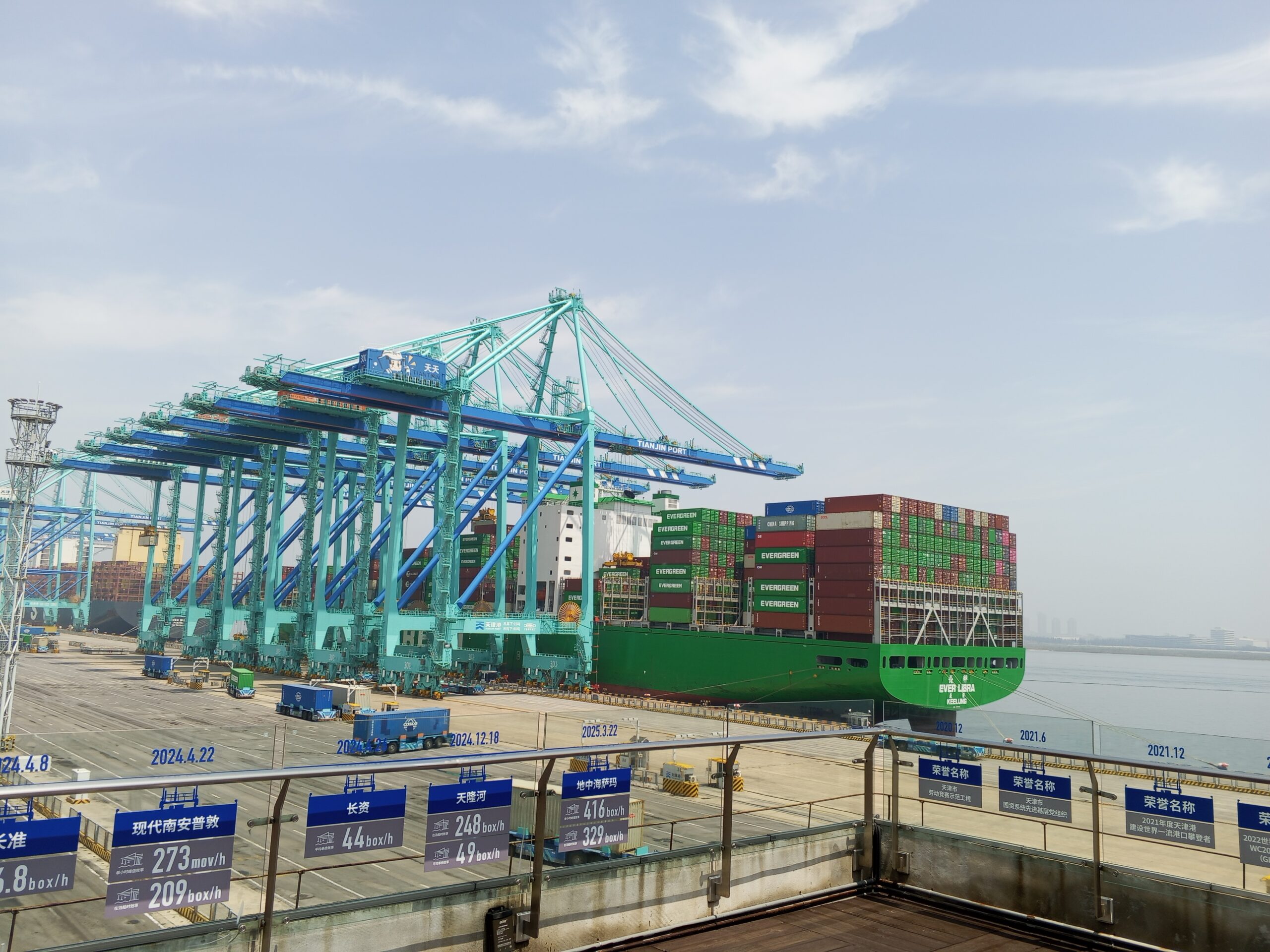
China’s Tianjin Port Second Container Terminal is offering a glimpse into the future of maritime transportation. The port, the world’s first leading smart zero-carbon and automated container terminal, combines advanced technologies such as automated cranes, artificial intelligence, 5G Communication and BeiDou navigation technology and digital management systems to move cargo with remarkable speed and efficiency.
For Ghana and the rest of Africa, the significance extends far beyond technological innovation.


With China remaining Africa’s largest trading partner, efficient ports play a critical role in ensuring goods move quickly and cost-effectively between the two regions.
The Tianjin terminal’s ability to process large volumes of cargo with minimal delays could help African exporters gain faster access to the Chinese market, creating opportunities for products such as minerals, cocoa, coffee, cashew, shea butter, fruits, textiles, traditional medicines and other value-added goods.
The Tianjin Port Second Container Terminal connects to 500 ports and has links with 180 countries and regions worldwide connecting by 148 services. Its cargo type includes container, general cargo, dry bulk, liquid bulk, and cruise.

An official of the Port speaking to some African Journalists participating in the China International Press Communication Centre, CIPCC, 2026 Programme, indicated that the port covering a land area of 75 hectar, a quay capacity of 1,100m with three berths, 42 yard cranes, 12 quay cranes and a terminal capacity of 200,000 DWT makes it a strategic partner for African ports.
He noted that the terminal’s facilities are key components helping China move goods faster, cleaner and more efficiently.
“Automation is about making port operations safer, cleaner and more sufficient,” the official added.
The terminal also demonstrates how automation and digitalization can reduce congestion and improve operational efficiency. Such innovations could offer valuable lessons for African ports seeking to modernize their infrastructure and enhance competitiveness in the global trading system.
African Routes
The Tianjin Port Second Container Terminal has established 14 shipping routes connecting China with key West African markets including ports in Ghana, Nigeria, Cote d’Ivoire, Senegal, and Togo. The rest are Liberia, Sierra Leone, Benin, Cameroon, Guinea and The Gambia.
Some of these routes are direct weekly services, while others operate as loop services via multiple West African ports. These routes facilitate trade and strengthen economic links between China and West Africa.
Beyond trade, the terminal underscores the potential for deeper cooperation between China and Africa in areas such as technology transfer, infrastructure development, and skills training. As African nations implement the African Continental Free Trade Area (AfCFTA), efficient logistics systems will become increasingly important in supporting both intra-African and international commerce.
Tianjin’s Second Container Terminal therefore represents more than an engineering achievement. It serves as a practical example of how innovation can transform port operations and create new economic opportunities.
How Can Ghana Leverage Tianjin Port Second Container Terminal’s Experience
For Ghana, which is positioning itself as a logistics and trade hub in West Africa, the experience of Tianjin highlights the importance of investing in smart port technologies, streamlined customs procedures, and integrated logistics networks. These improvements can shorten shipment time, lower the cost of doing business, attract investment, and facilitate greater participation in global value chains.
The investment in a smart port, proves to be more valid especially in a period where President John Dramani Mahama’s broader RESET Agenda and industrial transformation programme aims to make Ghana a leading trade, manufacturing, and investment destination in Africa.
Ghana needs to invest in smart technologies at the Tema and Takoradi ports, expand digital customs and cargo tracking systems, strengthen technical training in logistics and port automation, promote partnerships and knowledge exchange between Ghanaian and Chinese port operators, intergrate port modernization with AfCFTA trade corridors and develop green port initiative using renewable energy.
For Ghana and Africa, the lessons are clear: modern infrastructure, technology-driven efficiency, and strategic connectivity are essential ingredients for future trade growth and economic development.
The design of the terminal is one that can be replicated at traditional terminal ports undergoing modernization making it a benchmark for future smart and green ports worldwide.
The growing network of West African routes underscores Tianjin Port’s strategic role as a gateway for China-Africa trade, supporting the movement of manufactured goods, agricultural products, minerals and industrial equipment between the two countries.
As Africa seeks to industrialize, deepen regional trade and expand exports, efficient logistics infrastructure will become just as important as production itself.
Tianjin Port’s Second Container Terminal demonstrates how technology, sustainability and connectivity can work together to transform trade.
The challenge is no longer on whether smart ports are feasible but how quickly similar innovations can be adapted to support the continents economic ambitions.