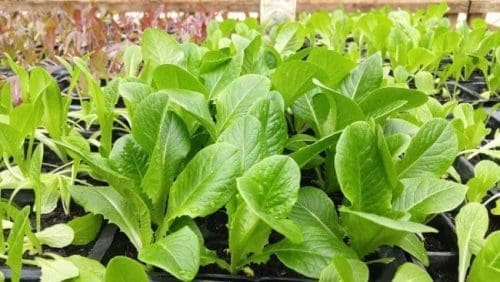
Along the coastal stretch of the Volta Region, from Whuti through Tegbi toward Keta, farmers grow vegetables in every month of the year, lifting fresh water from shallow wells sunk into the sandy aquifer beneath their fields.
The strip ranks among Ghana’s most established vegetable zones. Agriculture records list Whuti, Anloga, Woe, and Tegbi among the main producing towns, where shallots, tomatoes, pepper, okra, and carrots grow in tightly ordered beds on pure sandy soil that drains quickly.
The farming leans on groundwater more than on rainfall. Farmers tap the freshwater lens held within the sand and move the water onto their beds, a practice that has sustained cultivation here for generations. A 2004 survey by the Ghana Irrigation Development Authority (GIDA) described the area as the largest informal irrigation scheme in the country, covering roughly 4,000 hectares worked all year.
That reliance on well water rather than polluted drains gives the produce a cleaner reputation than vegetables from some urban and periurban plots, where wastewater irrigation raises safety concerns. The system also carries a long tradition of using organic manure such as cow dung and poultry droppings, though farmers apply fertilisers too, so the output is not certified organic.
The model faces real pressure. Researchers studying the Keta sand spit warn that heavy well use and saltwater intrusion from the sea and the Keta Lagoon could push up salinity and degrade the freshwater source the farms cannot do without.
Backers still see commercial promise as demand grows for traceable, safely grown food. Keta sits about 160 kilometres east of Accra, close to a three-hour drive, placing the farms within reach of supermarkets, hotels, and households in the capital that often depend on imports or city-grown produce. Converting that proximity into steady supply would hinge on better roads, storage, and organised trade, which remain works in progress.