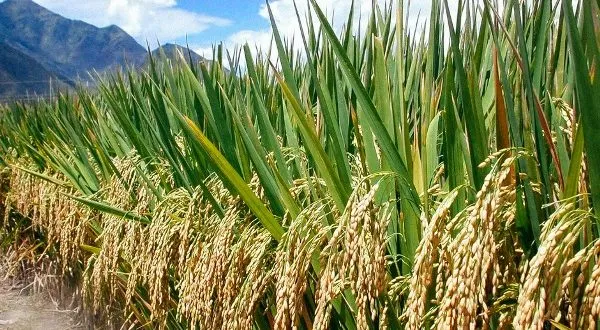
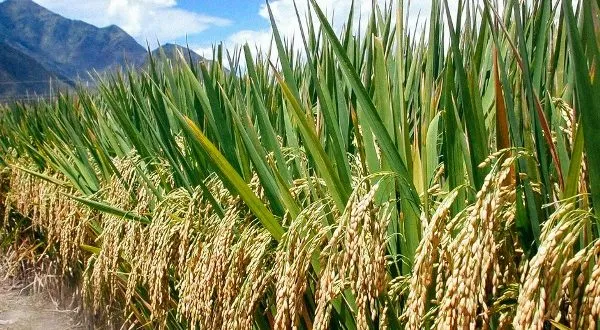
Ghana is producing more rice than ever, yet its dependence on imported grain continues to grow.
A new international report highlights a stubborn policy gap that leaves the country vulnerable to global market shifts, even as local farmers expand their harvests.
The United States Department of Agriculture projects Ghana’s milled rice production will reach 900,000 metric tons this season. That is an 18 percent increase, thanks to good weather and more farmers joining the sector. But this progress is fragile. Forecasts already predict less reliable rainfall for the coming year, which could quickly reverse these gains.
For consumers, the problem is felt at the market. The price of a 100kg bag of rice skyrocketed over the past year, illustrating the volatile balance between supply and demand. While prices have settled from their peak, they remain high. Some local millers point to a quality issue, noting that drier paddy rice breaks more during milling, which can limit the supply of good-quality local rice.
The real challenge is that consumption is growing faster than production. Ghanaians are expected to eat 1.8 million metric tons of rice this period. Urban shoppers, in particular, often choose imported fragrant long-grain varieties over local options. This preference means imports will likely hit one million tons, accounting for more than half of all rice consumed.
This leaves Vietnam, India, and Thailand as the dominant players in Ghana’s market. Their products often compete directly on price and perceived quality. A bag of popular Thai rice still costs significantly more than local alternatives, but Vietnamese imports are often cheaper, making them a tough competitor for Ghanaian farmers.
Despite being the nation’s second-most important cereal, the local industry is held back by familiar problems. Inadequate irrigation, a lack of modern farming equipment, and weak processing capacity prevent it from truly competing. Without serious policy intervention to address these bottlenecks, experts warn Ghana will stay dependent on other countries for a food staple, exposing everyone to the whims of international prices and currency fluctuations.