The Deputy Minister of Health, Dr Grace Ayensu-Danquah, has intensified efforts to reduce maternal mortality and strengthen emergency healthcare delivery in the Northern Region as part of the government’s drive to improve healthcare and build a healthier society.
This week, the deputy minister undertook a series of community engagements and supported specialised nursing training programmes under the government’s Maternal Mortality Action and Response Programme (MMARP), an initiative aimed at reducing preventable maternal deaths through closer collaboration between health authorities, traditional leaders and local communities.
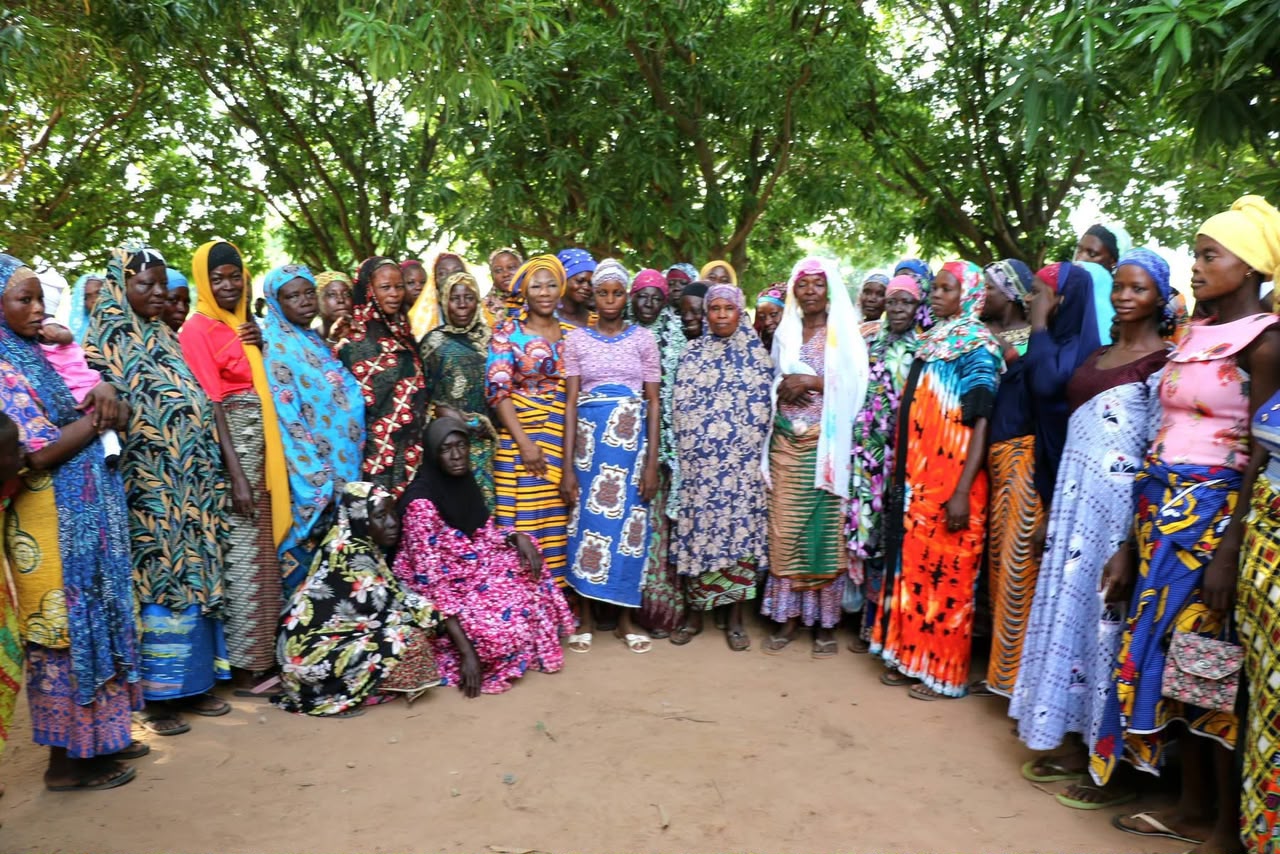
On the second day of her tour, Dr Ayensu-Danquah visited Adibo and Gbungbaliga in the Yendi Municipality, where she met community leaders, inspected healthcare facilities and listened to residents’ concerns about persistent gaps in maternal healthcare services.
As part of the visit, she paid a courtesy call on the Paramount Chief of the Gbungbaliga Traditional Area, Naa Bapri Gbungbal-Naa Abdallah Abudu Sulemana, and toured the Adibo Health Centre, the Community-based Health Planning and Services (CHPS) compound and the Yendi Municipal Hospital.

The engagements were aimed at identifying local factors contributing to maternal deaths and strengthening grassroots support for government interventions.
Government commitment
Addressing residents and community elders, Dr Ayensu-Danquah assured them that the Ministry of Health and the government remained committed to addressing urgent healthcare needs, particularly those affecting pregnant women and newborns.
She announced that, under the government’s Free Primary Health Care initiative, community health workers equipped with mobile health backpacks would regularly visit homes and communities to provide essential maternal and child healthcare services.
According to the deputy minister, the outreach programme is expected to bring healthcare closer to vulnerable populations, especially women in remote communities who often face challenges accessing medical care during pregnancy and childbirth.
She also encouraged households to adopt healthy and nutritious diets using locally available foods, stressing that proper nutrition plays a vital role in improving maternal and child health outcomes.
Traditional authorities used the opportunity to highlight several challenges affecting healthcare delivery in the area.
Traditional leaders commend initiative

The Paramount Chief commended the deputy minister for engaging directly with traditional leaders and residents, describing the visit as evidence of the government’s commitment to bringing healthcare closer to communities.
However, he appealed for additional health workers, the expansion of existing facilities, staff accommodation, transport for outreach programmes, reliable drug supplies and backup power systems for the Adibo Health Centre and the Gbungbaliga CHPS compound.
Emergency nursing training
Beyond maternal health, Dr Ayensu-Danquah also used her visit to the Northern Region to promote efforts to strengthen Ghana’s emergency healthcare workforce.
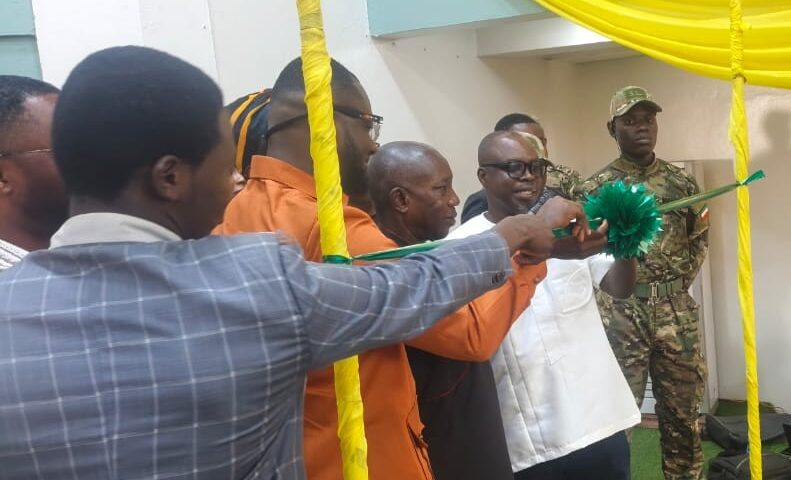
At the Nurses’ and Midwives’ Training College (NMTC) in Tamale, she welcomed 49 students admitted to the institution’s newly established Bachelor of Science in Emergency Nursing programme, the first cohort of what school authorities described as a pioneering initiative to improve emergency care in Ghana.
Addressing the students during their matriculation ceremony, she reminded them of the critical role they would play in saving lives.

“Your clients are waiting for you at the door of every emergency room in this country,” she said, urging them to prepare for the demands of delivering life-saving care.
She described the programme as a major milestone under the government’s Reset Agenda and the Ghana Medical Trust Fund, popularly known as Mahama Cares, which seeks to strengthen Ghana’s healthcare system through specialised training and improved health services.
She urged the students to uphold high ethical standards, discipline and dedication throughout their training, noting that emergency nursing requires sound judgement, technical expertise and empathy.
The Principal of NMTC Tamale, Dr Abdulai Abdul-Malik, welcomed the pioneer students and encouraged them to pursue academic excellence while developing the integrity and practical skills required to become competent emergency nursing professionals.
The deputy minister’s engagements coincide with an orientation programme being organised by the Ministry of Health in Tamale for advisory board members of health training institutions.
Held under the theme, “Effective Governance, Role Clarity and Collaboration between Management and Advisory Boards of Health Training Institutions,” the programme is aimed at strengthening institutional leadership and improving the quality of health training across the country.
Together, the maternal health outreach, emergency nursing programme and governance reforms reflect the government’s broader efforts to improve healthcare delivery and build a stronger health workforce capable of responding to Ghana’s evolving healthcare needs.