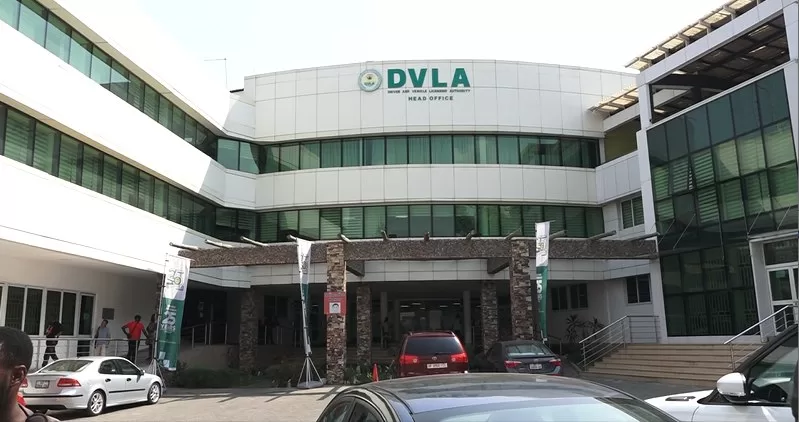
The Driver and Vehicle Licensing Authority (DVLA) has warned the public to be on the lookout for fraudsters sending fake SMS messages designed to trick people into paying non-existent traffic fines through unofficial online platforms.
In a statement issued on Wednesday, June 10, the Authority said it had become aware of scammers posing as DVLA officials and sending text messages containing fraudulent payment links to unsuspecting members of the public.
According to the DVLA, the scammers typically send an SMS with a link that redirects recipients to a fake website where they are asked to pay what is described as a DVLA fine.
In some cases, the messages claim to offer discounted fines or urge recipients to make immediate payments to avoid penalties.
The Authority stressed that such messages are fraudulent and should be ignored.
“DVLA wishes to categorically inform the general public that these messages are fraudulent and must be disregarded,” the statement said.
The Authority also dismissed claims that motorists can receive discounts on fines, describing any such offer as a scam.
“The DVLA does not offer discounts on fines. Any SMS, website, platform, or person claiming to offer discounted DVLA fines is fraudulent,” it stated.
To help the public avoid falling victim to the scam, the Authority clarified that all legitimate online payments for DVLA services can only be made through the Government of Ghana’s official payment platform.
It said that “the only acceptable online payment gateway for DVLA transactions is the Government of Ghana’s official payment platform.”
The DVLA further reminded motorists that its official website is www.dvla.gov.gh, warning that any other website, shortened link or unofficial payment portal claiming to represent the Authority should be treated as fake.
“The official website of the Driver and Vehicle Licensing Authority is www.dvla.gov.gh. Any other website, shortened link, or unofficial payment link claiming to represent DVLA should be treated as fake,” the statement added.
The Authority advised members of the public not to click on suspicious links, provide personal information or make payments through unofficial platforms.
Instead, it encouraged motorists and other clients to verify all DVLA-related information through its official website, recognised DVLA offices and approved communication channels before taking any action.
The DVLA also urged anyone who receives suspicious SMS messages or payment requests to report them to the nearest DVLA office or the appropriate law enforcement agency for investigation.
Reaffirming its commitment to protecting the public, the Authority said it remains focused on ensuring that all official transactions are conducted through secure and approved channels while working to combat fraudulent activities targeting motorists and other service users.
DISCLAIMER: The Views, Comments, Opinions, Contributions and Statements made by Readers and Contributors on this platform do not necessarily represent the views or policy of Multimedia Group Limited.
DISCLAIMER: The Views, Comments, Opinions, Contributions and Statements made by Readers and Contributors on this platform do not necessarily represent the views or policy of Multimedia Group Limited.
Source link