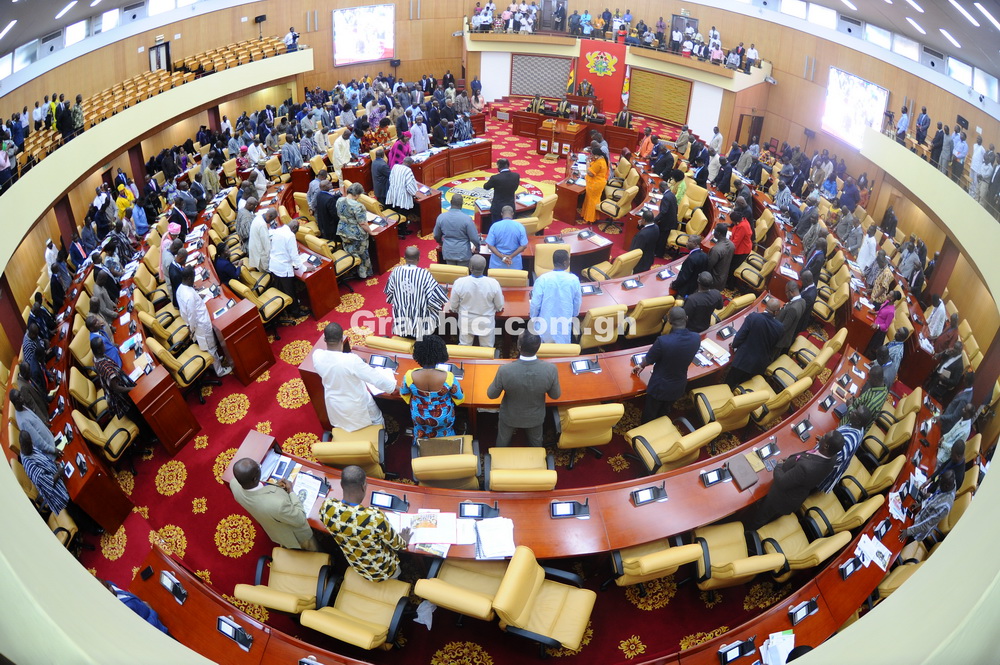
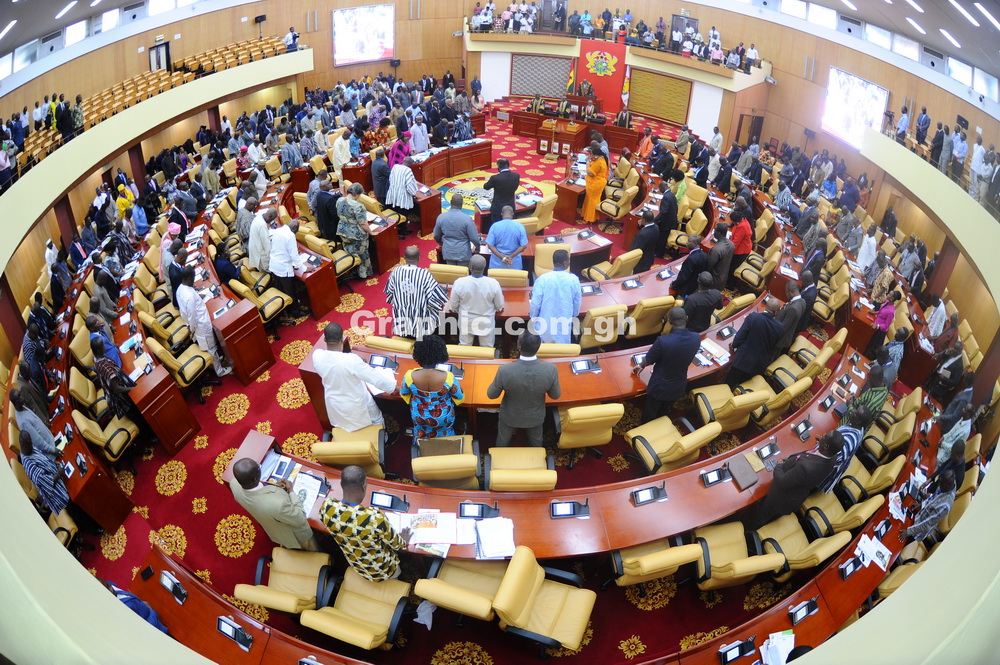
The Founding Executive Director of the Parliamentary Network Africa, Sammy Obeng, has said Speaker of Parliament Alban Bagbin’s directive for the House to revisit the passage of the Human Sexual Rights and Family Values Bill, popularly known as the anti-LGBTQ+ bill, should trigger a broader review of Parliament’s legislative practices.
Speaking in an interview on Joy FM’s Top Story on Tuesday, June 2, Mr Obeng said the controversy surrounding the bill highlights longstanding concerns about Parliament’s frequent suspension of procedural rules intended to ensure adequate scrutiny, transparency and public participation in the law-making process.
“I think these conversations must be put within the context of the law-making process in the Parliament of Ghana and how a bill becomes a law. If we situate it within that context, we may be able to see where Parliament should have done better last Friday,” he said.
Mr Obeng explained that Parliament’s Standing Orders require members to be furnished with the final amended version of a bill after the consideration stage and before the third reading.
“After the clause-by-clause stage has been done, Parliament should be able to produce what is called the final version of the bill as it has been corrected or amended, so that members of Parliament can look at the full text before the question for the third reading is put,” he said.
According to him, Speaker Bagbin’s concerns appear to centre on whether Members of Parliament had sufficient opportunity to review the final text of the bill before approving it.
“The Speaker is saying members of Parliament did not have the benefit of receiving the final version, the final text of the bill, to be able to see what it means for them to know whether they should pass this or they should take it to a further consideration,” he stated.
Mr Obeng observed that while Parliament has the authority to suspend some of its rules to expedite business, the practice has become routine and often undermines opportunities for thorough scrutiny and public engagement.
“Parliament does these things all the time. We keep drawing attention to it all the time, including publications by us as Parliamentary Network Africa, to say stop relaxing these rules. Ensure proper consultation, ensure engagement and ensure consensus building. They would not listen,” he said.
He further claimed that public participation in the legislative process remains limited, noting that fewer than 10 per cent of the 39 bills passed by Parliament in 2025 underwent what he described as proper public consultation.
“In the first year of this Ninth Parliament, of the 39 bills that were passed by Parliament, less than 10 per cent of those bills went through proper public participation, calling for memoranda and broader stakeholder engagement,” he said.
Mr Obeng said the latest development should serve as an opportunity for Parliament to review its legislative practices and strengthen adherence to procedures that promote transparency, accountability and public participation in law-making.
DISCLAIMER: The Views, Comments, Opinions, Contributions and Statements made by Readers and Contributors on this platform do not necessarily represent the views or policy of Multimedia Group Limited.
DISCLAIMER: The Views, Comments, Opinions, Contributions and Statements made by Readers and Contributors on this platform do not necessarily represent the views or policy of Multimedia Group Limited.
Source link