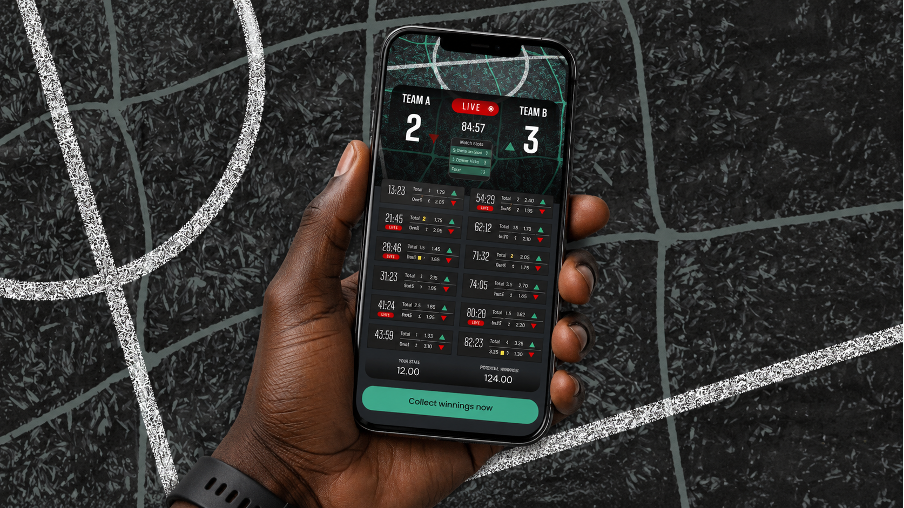
Artificial intelligence now affects football betting far more directly than it did only a few seasons ago. Odds move faster. Team news spreads instantly. Live markets react before many viewers even notice tactical changes during a match. The shift no longer feels experimental. It already shapes how football betting works day to day.
Many readers following modern football markets have also noticed how quickly platforms such as 1xbet nigeria react once lineups, injuries, or late tactical adjustments become public before major fixtures. The wider change, however, goes beyond one platform. Expectations around speed and information now look completely different across betting markets in 2026.
AI Is Changing How Odds Move
Sportsbooks relied on automated systems long before AI became a common topic. The difference now comes from processing speed and data volume. Modern systems track live match events almost instantly. They also react to substitutions, possession swings, betting pressure, and lineup changes within seconds.
That speed changed how football markets behave before kickoff. Odds rarely remain stable for very long once fresh information appears online. A suspended striker or an unexpected formation switch may suddenly reshape an entire market before casual bettors even react.
Live football creates even faster movement. One red card may affect totals, corners, next-goal markets, and possession-related pricing at nearly the same time. Older systems reacted slower. Current AI-based models adjust almost immediately.
The pace itself creates another problem. Many bettors now chase movement instead of evaluating matches calmly. Quick reactions often replace patience once markets begin shifting rapidly during live fixtures.
Always bet within your limits and remember that you control the amount of your stake. If you set personal limits and take regular breaks, you create a balanced approach to placing bets.
Football Data Became Easier to Access
Public AI tools now summarize football statistics much faster than before. Expected goals, pressing numbers, player fatigue, defensive errors, and recent form can now appear within seconds through automated dashboards and match trackers.
That convenience changed betting preparation. Many football followers no longer spend hours collecting separate statistics manually. AI tools now organize much of that information automatically before major matches begin.
Still, raw numbers rarely explain everything happening around a football club. Dressing-room tension cannot always appear inside a model. Neither can pressure from title races or qualification battles. A struggling away side may still produce an unexpected result despite weaker statistics.
That uncertainty remains part of football itself. AI can narrow information gaps, though it cannot fully predict how matches unfold once momentum changes inside a stadium.
Several football markets continue attracting attention during this shift:
- Late goals markets
- First-half scoring trends
- Corners during aggressive pressing games
- Player cards in high-pressure fixtures
- Live totals after early goals
The market also moves differently now during long football evenings. Some supporters continue monitoring live fixtures for hours before they finally place your bet on later matches once lineups and momentum become clearer across the schedule.
Live Betting Feels Faster Than Before
Live betting changed heavily once AI systems improved in-play pricing. Football odds now update almost continuously during matches. Delays that once lasted thirty seconds may now disappear almost entirely.
That speed creates more opportunities for experienced bettors. It also increases mistakes among impatient ones.
A fast market often pressures people into reacting emotionally. Odds may suddenly look attractive after one dangerous attack or short momentum swing. Seconds later, the market may already correct itself again.
Some sportsbooks now highlight suggested live markets during matches. Others promote quick-entry betting panels based on current match patterns. Those features simplify navigation, though they may also encourage rushed decisions during emotional moments.
Human Judgment Still Shapes Good Decisions
AI handles information efficiently. Football still depends on human unpredictability.
Managers change tactics unexpectedly. Teams react emotionally after conceding early goals. Travel fatigue affects performance unevenly. Some squads collapse under pressure near the end of a season. Others improve once expectations disappear completely.
Those details rarely fit perfectly into automated systems.
That is why many experienced football bettors still combine data with observation. Numbers may explain recent form. Watching matches often explains why that form exists in the first place.
A club fighting relegation sometimes produces stronger performances than statistics suggest. Cup fixtures also distort league numbers regularly once managers rotate lineups aggressively between competitions.
AI tools help organize football information faster. They do not replace judgment completely. Markets still overreact at times. Football still produces irrational results.
What This Means Going Forward
Football betting in 2026 looks more reactive than it did only a few years ago. AI accelerated almost every part of the process. Odds now move faster. Data spreads earlier. Live pricing changes constantly throughout matches.
That does not automatically make betting easier. In some ways, it made discipline more important.
The strongest bettors usually avoid reacting to every market movement. They filter information carefully. They compare context with statistics. They also understand that fast data does not always produce accurate conclusions once football becomes chaotic late in matches.