By Joyce Gyekye
Two environmental NGOs in Ghana — Abibinsroma Foundation and HATOF Foundation — have been granted observer status at the Intergovernmental Panel on Climate Change (IPCC).

They are the only organisations from West Africa among 14 newly admitted groups, with others drawn from North Africa, Europe, Asia and global institutions. The IPCC brings together leading scientists from around the world to assess climate research and guide global action.
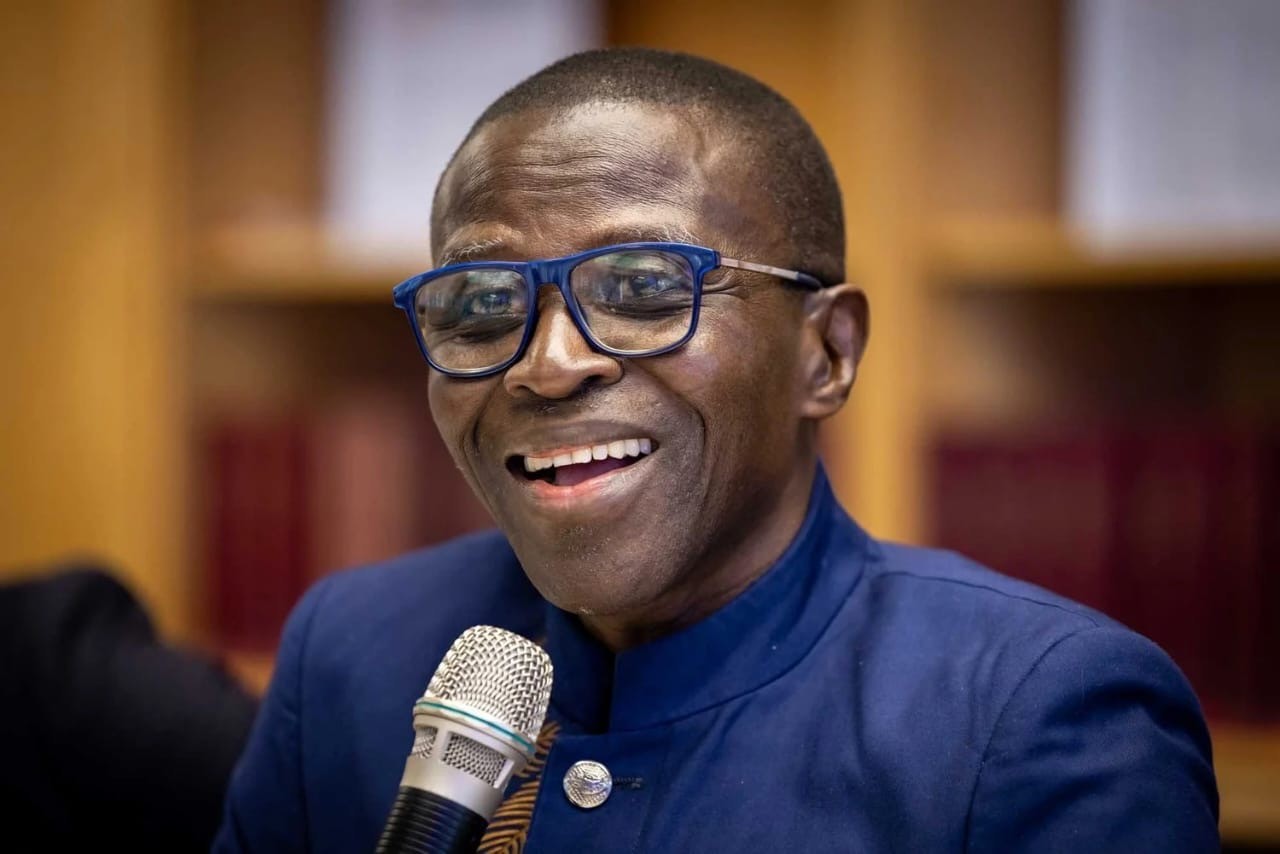
But what role will these Ghanaian NGOs play at that level, despite not being scientific institutions? Joyce Gyekye spoke with Chief Executive Officer of HATOF Foundation, Dr Samuel Dotse, for insights into their expected contribution.
Q: What does it mean to be admitted as an observer organisation to the IPCC?
A: For us, it is a defining moment—not just for visibility, but to ensure that the voices of vulnerable communities are heard where global decisions are shaped.
Q: Why is this important at this time?
A: This is a critical moment in global climate governance. The world is moving from commitments to implementation, especially under the Paris Agreement. As an African grassroots organisation, we believe we must be represented in the scientific processes that guide these actions, so that our perspectives are not left out.
Q: What kind of work are you currently doing to amplify vulnerable voices?
A: We are building capacity among local actors to advocate for climate policies and mobilise climate finance. Through support from the Green Climate Fund, we have trained partners to engage effectively in national development planning and climate action.
Q: How do you plan to influence climate science discussions at the IPCC?
A: Our focus will be on adaptation, biodiversity, ecosystem-based solutions, climate justice, and integrating traditional knowledge. We also want to highlight sustainable financing for vulnerable countries, particularly in Africa.
Q: Do you think indigenous knowledge will be reflected in IPCC reports?
A: There is often a gap between global assessments and local realities. Community-level data and sociocultural factors are sometimes underrepresented. We intend to help bridge that gap by contributing African data, strengthening collaboration, and ensuring local knowledge is better reflected.
Q: What gaps currently exist between IPCC processes and vulnerable communities?
A: The IPCC relies on published scientific studies, which may not always capture grassroots experiences. Our role is to contribute evidence-based inputs, advocate for more African case studies, and build partnerships that connect scientists, policymakers, and communities.
Q: How long will your observer status last?
A: There is no fixed duration. Our continued participation depends on meeting IPCC requirements and contributing meaningfully to its processes. Assessment reports are typically produced every five to seven years, and our relevance will be tied to how actively we engage.
Q: What impact do you hope to make through this platform?
A: We want to bring community-based data into global reports. For example, issues like sea level rise, coastal erosion, mangrove degradation, and water challenges can inform how climate negotiations are shaped.
Q: IPCC reports are highly technical. How will you make them useful locally?
A: Our role is to translate complex scientific findings into language that communities and policymakers can understand. We act as a bridge—explaining global concepts in ways that relate to everyday experiences.
Q: What key climate issues affecting Ghana will you push onto the global agenda?
A: Coastal erosion, sea level rise, food and water security, and the protection of ecosystems, especially mangroves. These are critical not only for Ghana but for climate action globally.