By Amoako Kwame
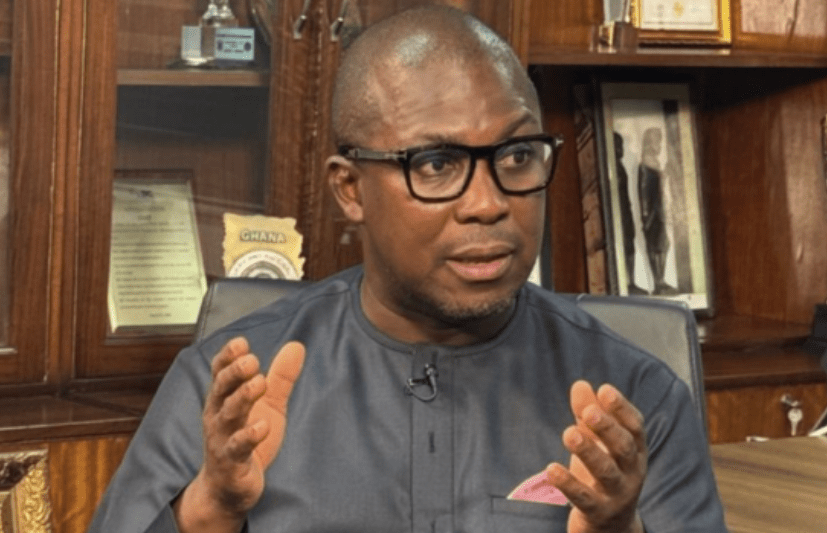
The Director-General of the Social Security and National Insurance Trust (SSNIT), Kwasi Afreh Biney, has cautioned against any hasty move to increase Ghana’s retirement age, warning that such a decision could delay employment opportunities for young people by as much as seven years.
Speaking on the business segment of PM Express on Joy News, Mr Biney acknowledged that rising life expectancy and improved health outcomes have strengthened arguments for extending working lives beyond the current retirement age.
“I agree that the demographic numbers have shifted rapidly. A lot more people in Ghana today are living longer and remain active and healthy even after the age of 60,” he said.
However, he emphasised that any decision to raise the retirement age must take into account broader economic and labour market realities.
“But a decision to extend retirement goes beyond just that. You need to consider factors such as employment rates, unemployment levels and the availability of jobs,” he stated.
His remarks come amid ongoing discussions about whether Ghanaians should be allowed to remain in employment for longer before accessing pension benefits, particularly as many retirees continue to work in the private sector after leaving public service.
Mr Biney maintained that any review of the retirement age should be guided by extensive national consultations and consensus rather than the views of a single institution.
He emphasised the need for broad stakeholder engagement before any decision is made on raising the retirement age.
“We all need to come together as stakeholders to discuss, analyse and deliberate on the issue before reaching a collective decision, rather than leaving it to a single institution such as SSNIT,” he said.
The SSNIT Director-General also underscored the pension implications of raising the retirement age, noting that such a policy change would likely reduce immediate pension payments while increasing contributions to the scheme.
He explained that extending the retirement age from the current 60 years to 65 or 67 would delay pension disbursements and allow workers to contribute for a longer period, thereby strengthening the fund’s inflows.
However, Mr Biney cautioned that any financial gains for the pension system must be carefully balanced against the potential consequences for youth employment, warning that keeping older workers in active service for longer could limit opportunities for younger Ghanaians entering the labour market.
Mr Biney stressed that any decision on raising the retirement age must be informed by a thorough evaluation of key national priorities, including the long-term sustainability of the pension system, labour market dynamics and employment prospects for young people.
He also called for a data-driven and consultative approach, urging stakeholders to carefully assess available evidence, consider alternative options and weigh the trade-offs associated with each policy choice before reaching a consensus.
“We need to come together, examine the data, evaluate the different alternatives and consider the opportunity costs of each option before making a well-informed and comprehensive decision,” he said.