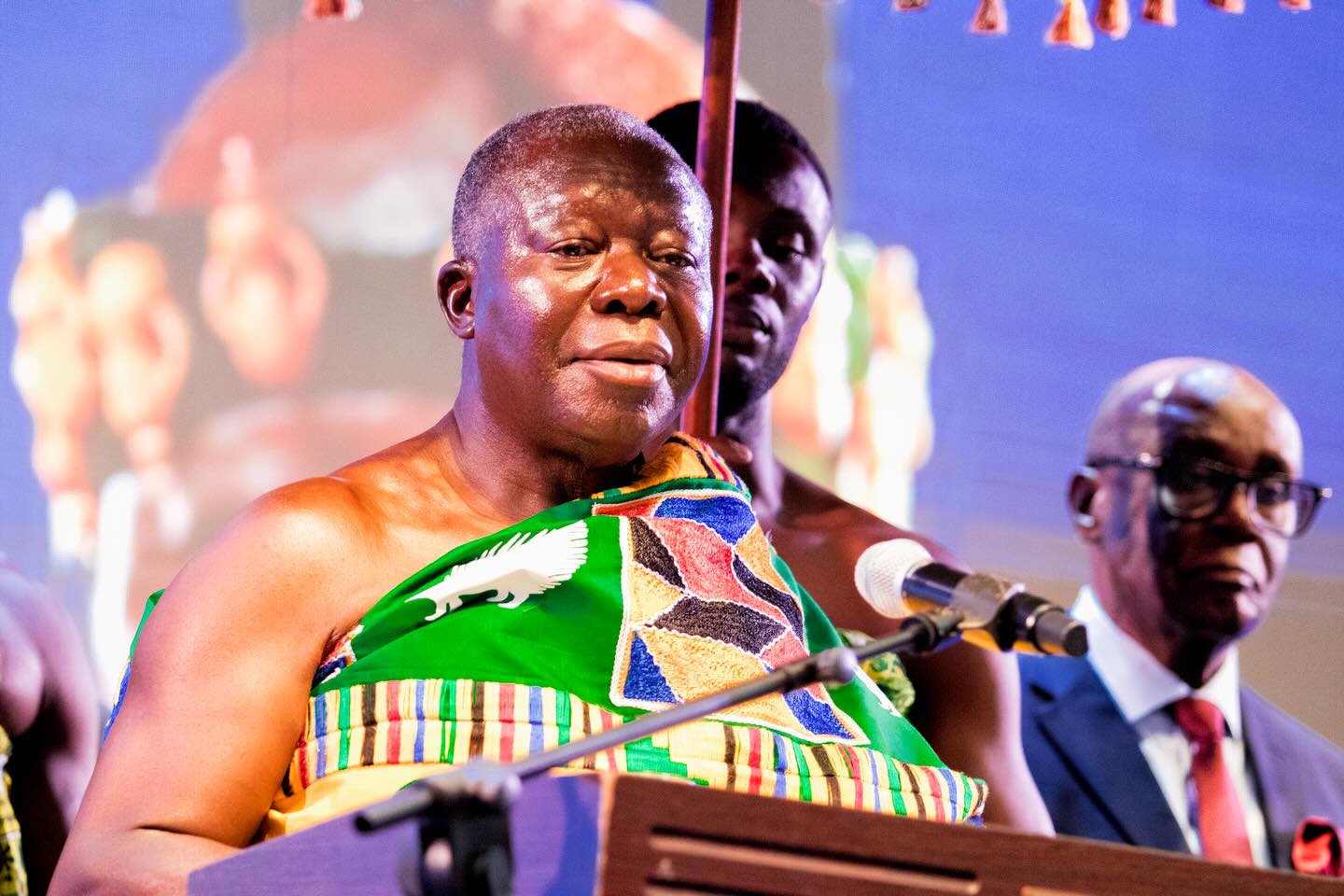
Ghana will mark 70 years of independence in 2027. But according to the Asantehene, Otumfuo Osei Tutu II, there is little to celebrate in a pattern of unfulfilled promises that has defined nearly every one of those decades.
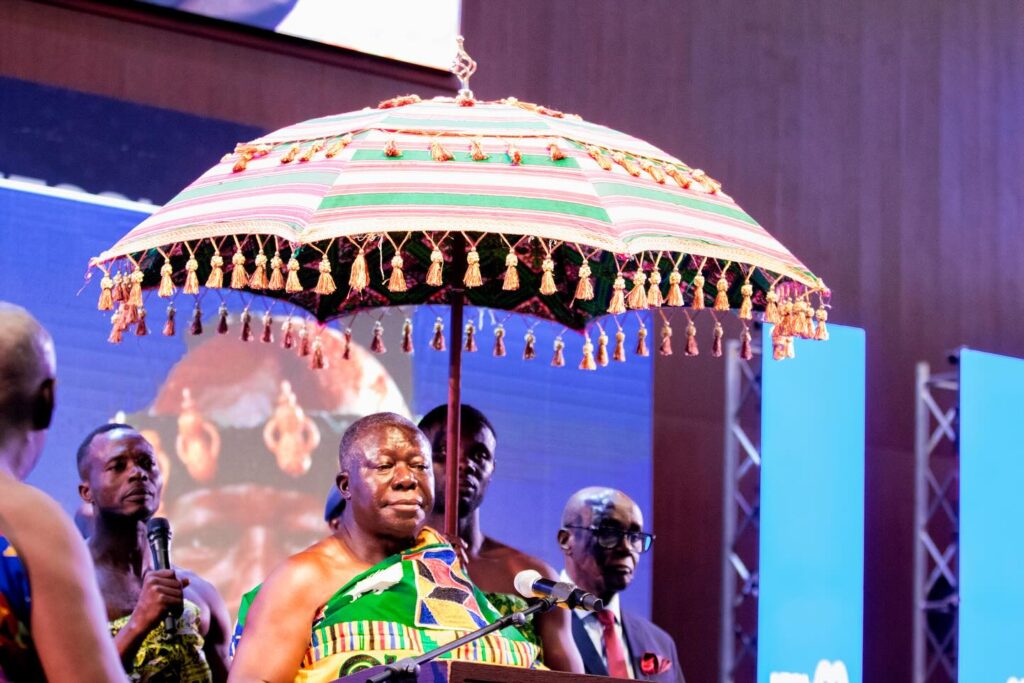
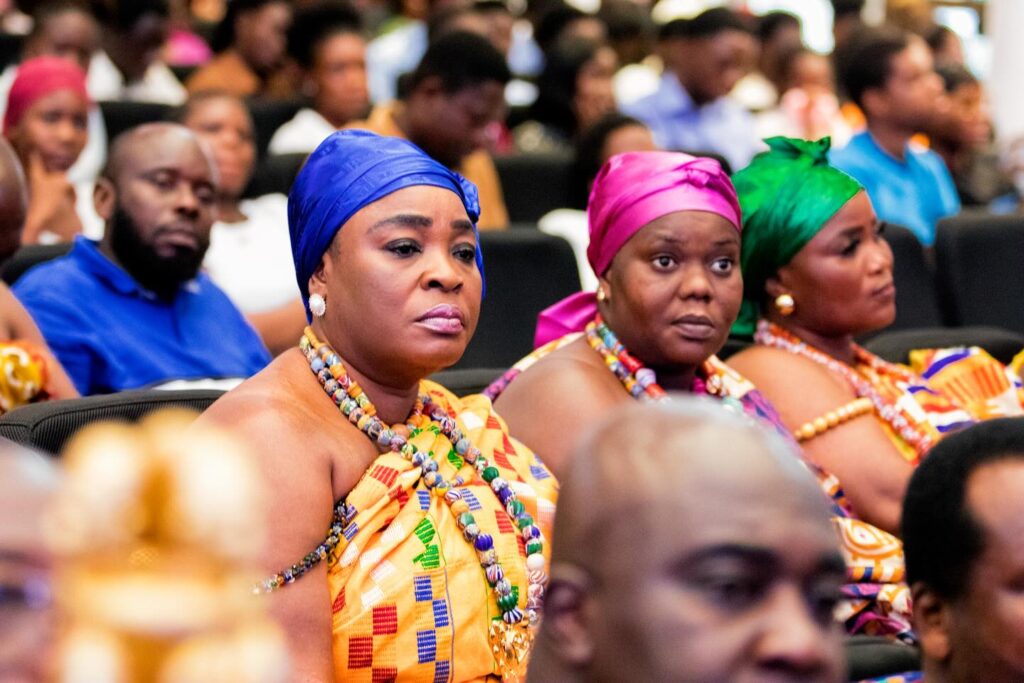
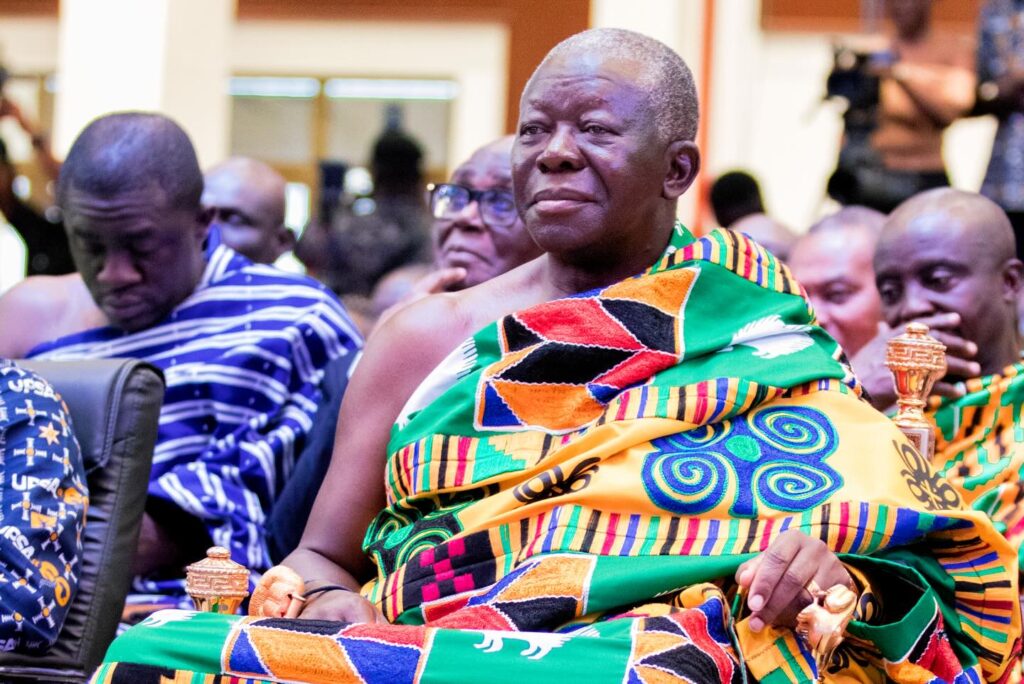
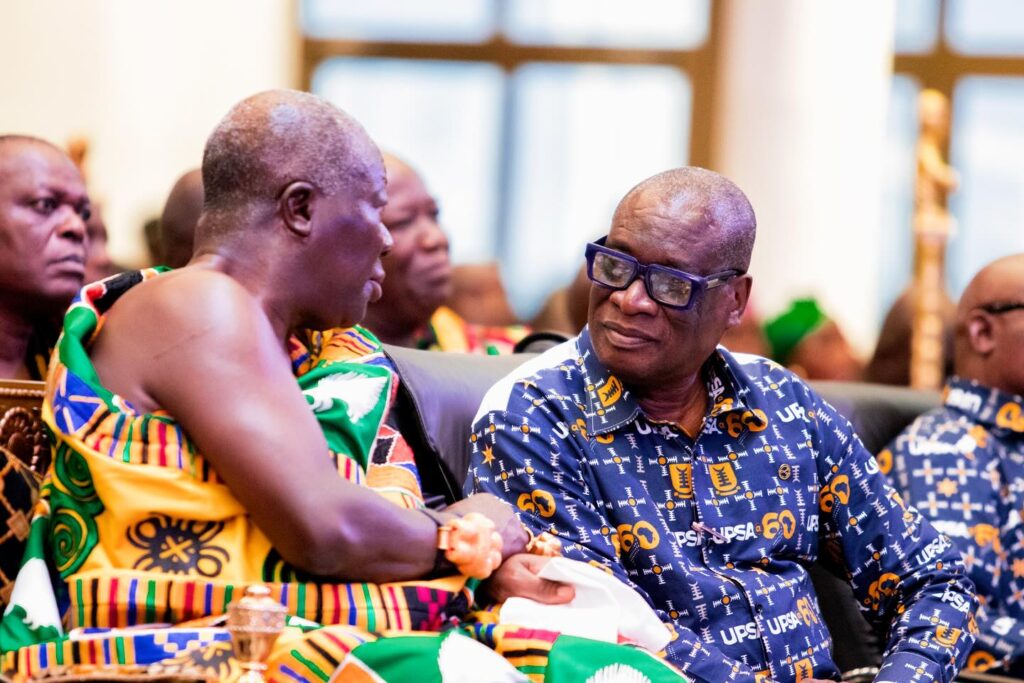
Speaking Friday at the Ghana Business Leaders Conclave held at the University of Professional Studies, Accra (UPSA), the King of the Ashanti Kingdom delivered a blunt diagnosis: Ghana has mistaken political rhetoric for progress, and good governance alone cannot rescue a nation that has failed to build the business foundations needed to support its people.
“Ghana must now become a nation of builders,” Otumfuo declared, urging the country to abandon political slogans as its dominant national language and replace them with enterprise.
‘A pattern of disappointment’
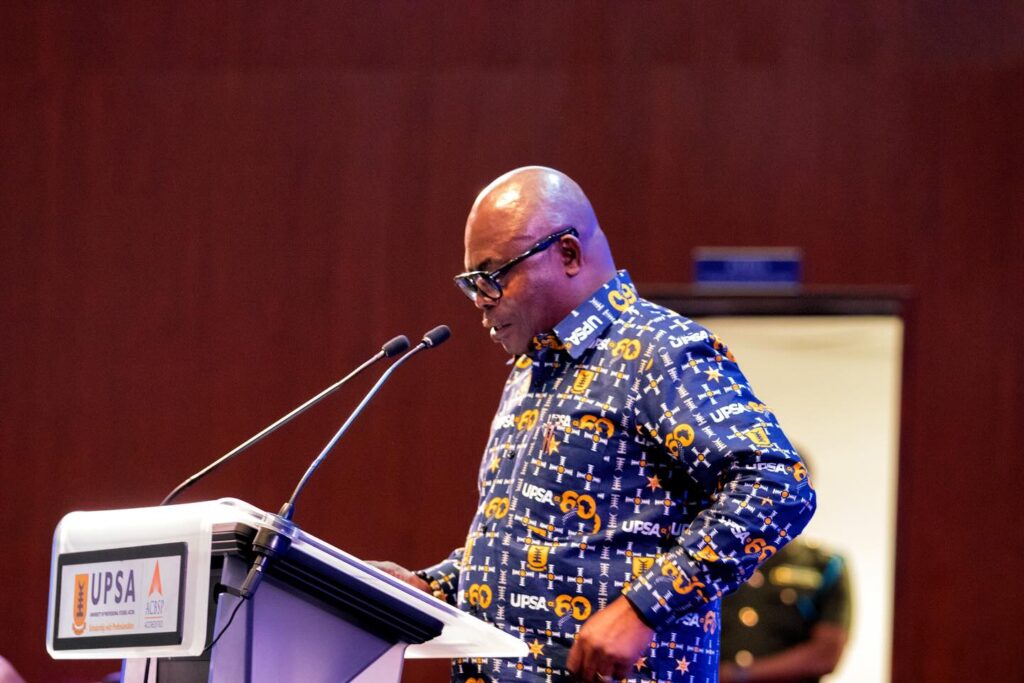
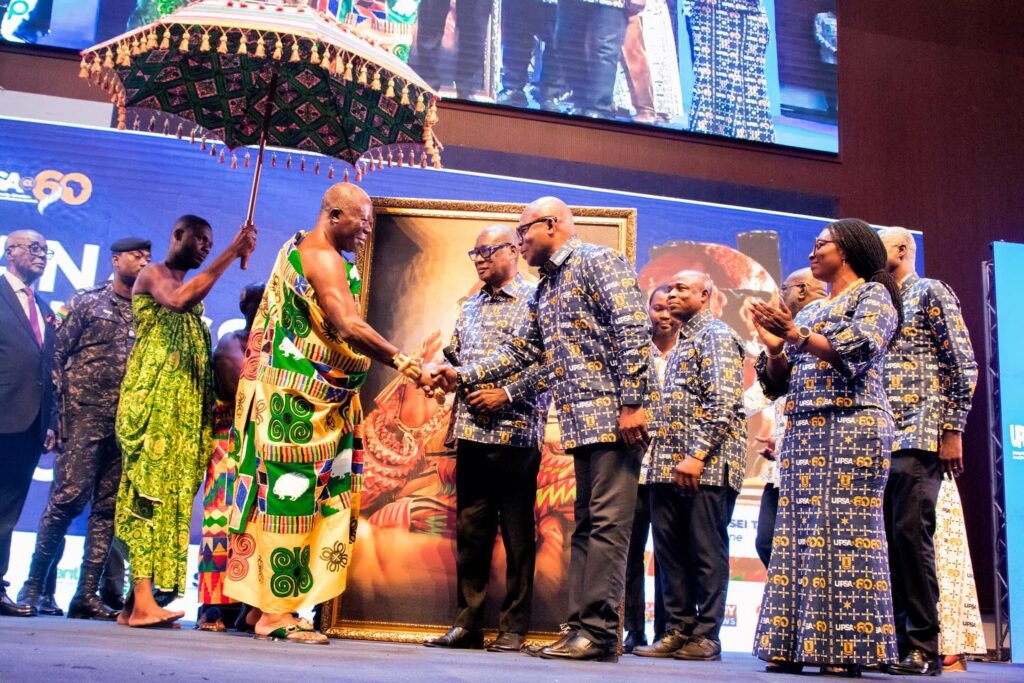
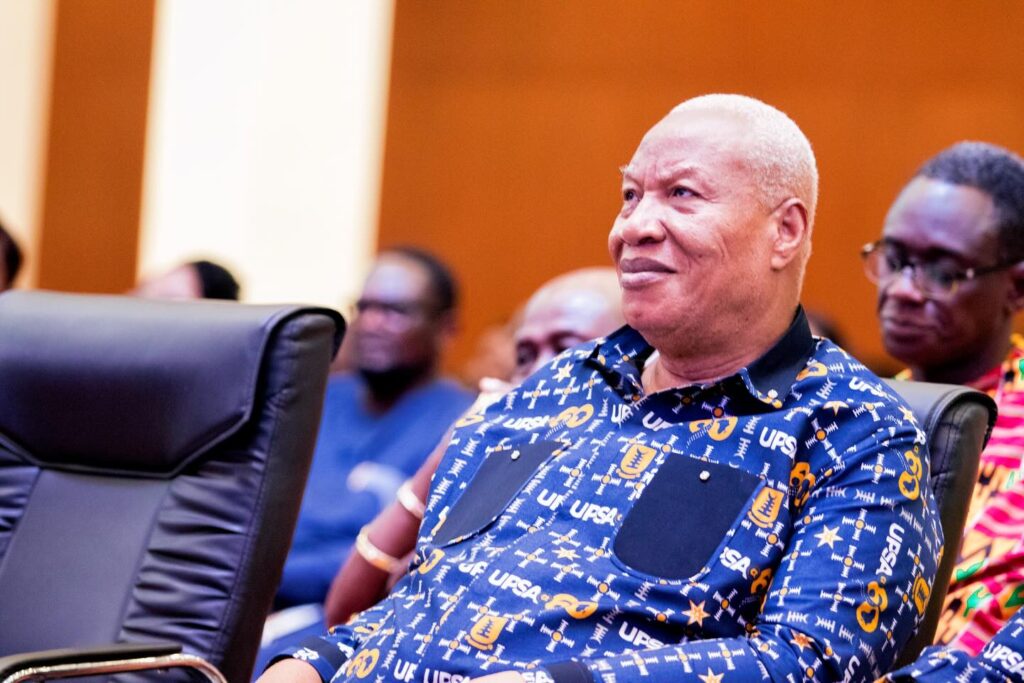
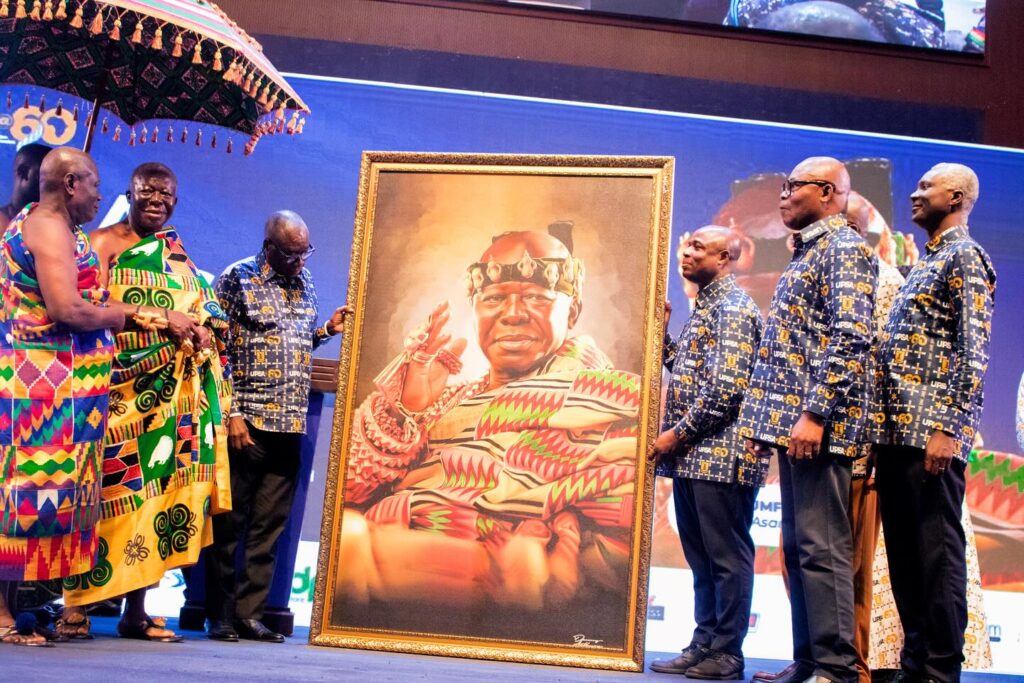
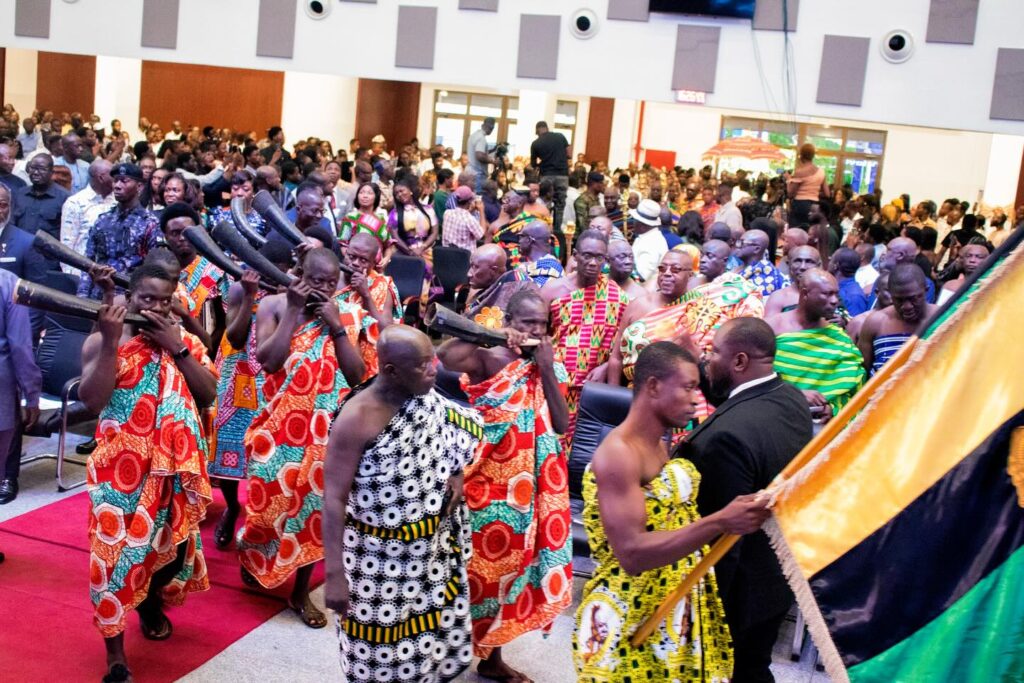
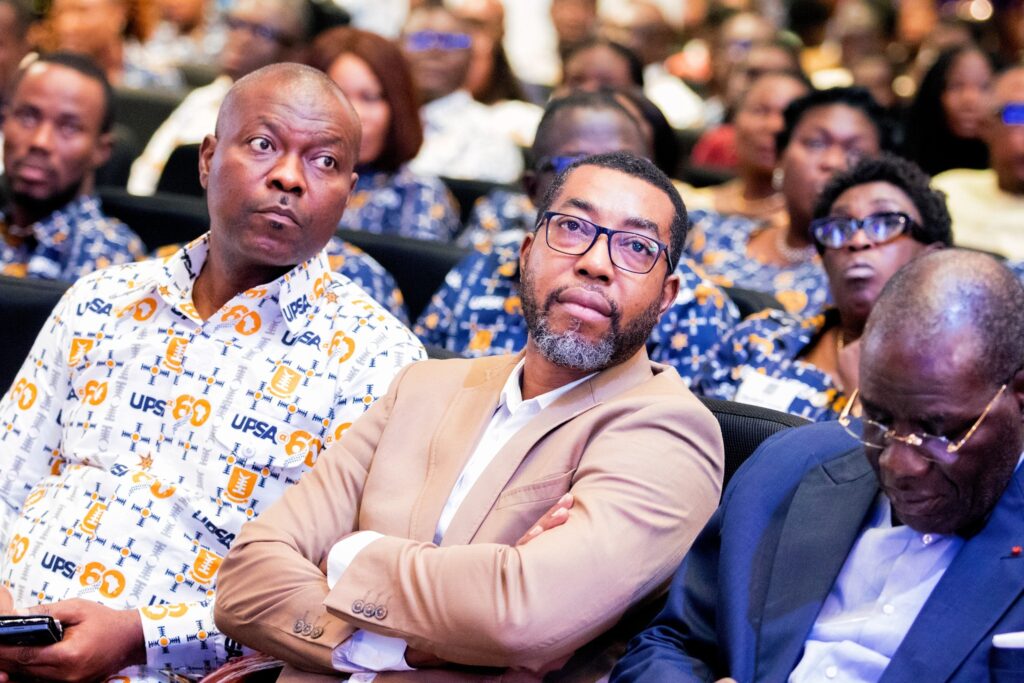
The conclave, held under the theme “Leading with Integrity, Negotiation, Mediation and Ethical Governance for Business Sustainability,” marked a flagship event in UPSA’s Diamond Jubilee celebrations. Otumfuo, a distinguished alumnus of the institution, was central to the establishment of the Otumfuo Centre for Traditional Leadership, which co-organized the event.
His address carried weight far beyond ceremony. The Asantehene spoke directly to what he called the recurring disappointment of leadership cycles in Ghana—where public hope at the start of each administration steadily erodes into disillusionment.
He argued that trust in institutions had become too fragile to sustain meaningful national development. The solution, he said, is not simply better politicians but a fundamental reorientation of national purpose toward production and value creation.
Independence without prosperity
Otumfuo challenged Ghanaians to move beyond the independence narrative as a source of pride and instead interrogate what it has produced in the daily lives of ordinary citizens.
The question he posed: Has the promise of independence genuinely translated into prosperity in every home, opportunity for every child, and dignity for every citizen?
His answer was implicit in his warning that good governance, however necessary, is insufficient. “Economic transformation does not follow from elections or slogans,” he said, “but from the discipline of building businesses and creating value.”
Four fronts for change
The Asantehene called for a decisive shift on four fronts: From political rhetoric to building business; from slogans to production; from lamentation to enterprise; and from dependency to value creation.
He cited the United States, China, India, Singapore and Vietnam as countries that achieved prosperity not through political superiority but through deliberate investment in enterprise, technology and innovation.
He also drew a distinction between democracy as a system of governance and trust as the foundation of a functioning society. Elections change governments, he argued, but only sustained institutional credibility keeps societies intact and moving forward.
‘Businesses are the engine’
Turning his attention to the development of businesses, the Asantehene urged political leaders to create a more enabling environment for businesses to thrive, stressing that sustainable national development cannot be achieved without a vibrant and resilient private sector.
“Businesses are the engine of economic growth, and governments must create the conditions that allow them to flourish,” he stated.
He emphasized the need for stable economic policies, transparent regulations and a predictable business climate—warning that economic uncertainty, policy inconsistencies and bureaucratic bottlenecks continue to affect business growth and investor confidence.
“If businesses are uncertain about the future, they will hesitate to invest, and when investment slows, national development is affected,” he added.
Government and private sector must move together
Otumfuo called for stronger collaboration between government and the private sector to address unemployment and improve economic productivity.
“The private sector cannot succeed without government support, and government cannot achieve economic transformation without a strong private sector,” he said.
He encouraged business leaders to continue investing in innovation, skills development and value addition to improve Ghana’s competitiveness in the global economy.
A turning point?
The conclave, part of UPSA’s 60th anniversary programme, was praised by Otumfuo as carrying the potential to mark a genuine turning point in Ghana’s national orientation. Vice Chancellor Professor John Kwaku Mensah Mawutor has positioned the event as a contribution to national conversations on sustainability, succession planning and responsible leadership within the business community.
But for the Asantehene, the real turning point will not come from a single conclave or ceremony. It will come only when Ghanaians stop talking about independence—and start building on it.
DISCLAIMER: The Views, Comments, Opinions, Contributions and Statements made by Readers and Contributors on this platform do not necessarily represent the views or policy of Multimedia Group Limited.
Tags:
DISCLAIMER: The Views, Comments, Opinions, Contributions and Statements made by Readers and Contributors on this platform do not necessarily represent the views or policy of Multimedia Group Limited.
Source link