Iran has accused the US of hitting civilian infrastructure in the latest wave of air strikes since peace talks collapsed.
State media and provincial authorities said bridges, a train station and an airport were hit. BBC Verify has confirmed an attack on a bridge in Hormozgan province.
US Central Command (Centcom) has not given a list of targets, but said the attacks were intended to “further degrade Iranian military capabilities”.
President Donald Trump has threatened to hit Iranian bridges and power stations to force Tehran to return to talks to end the war that began on 28 February with US and Israeli attacks – prompting Iran to retaliate against Israel and US targets and allies in the Gulf.
For six nights in a row, the US has been carrying out air strikes against Iranian targets.
Iranian state media and local officials said Iranshahr Airport in south-eastern Iran, a railway station and six bridges in the Hormozgan province were hit on Thursday night.
Seven people were killed, provincial authorities in Hormozgan said.
BBC Verify and BBC Persian have verified footage of damage to Gariveh Bridge, after night videos showed a ball of flames on top of it.
Daylight images show a crumbled stretch of road with rubble around the broken bridge.
Asked for comment, Centcom said it had nothing to add to its earlier statement.
After Trump said in April that the US would bomb civilian infrastructure in Iran, including bridges and power plants, UN human rights chief Volker Türk said “deliberately attacking civilians and civilian infrastructure is a war crime”.
In its response to the latest US attacks, Iran’s Revolutionary Guard Corps (IRGC) said it had struck US maritime surveillance radar sites in Oman as well as targets in Kuwait and Bahrain. It also claims to have attacked a US special operations command centre at al-Tanf in Syria.
Neither Syria nor the US have commented on the claim.
Kuwaiti authorities said the Iranian strikes had hit power generation and water desalination stations.
As attacks escalate, the Strait of Hormuz – a critical waterway off Iran’s coast that Tehran has effectively blocked throughout the war – has remained shut.
A fifth of the world’s oil and liquefied natural gas used to transit through the strait and the head of the International Energy Agency, Fatih Birol, said he had concerns about global energy supplies.
“We should be worried, and I am worried, if the situation does not improve in the next few weeks,” Birol said on Thursday night.
The US and Iran agreed to stop fighting in June to enable talks to end the war.
The ceasefire was largely observed, even though there were Iranian attacks on oil tankers to force them to comply with Tehran’s demands to seek authorisation to cross the Strait of Hormuz, followed by US strikes against Iran.
However, the talks appeared to make no headway and Trump declared the ceasefire over last week.
Since then, in addition to attacking Iranian sites, the US has also re-imposed a naval blockade of Iranian ports.
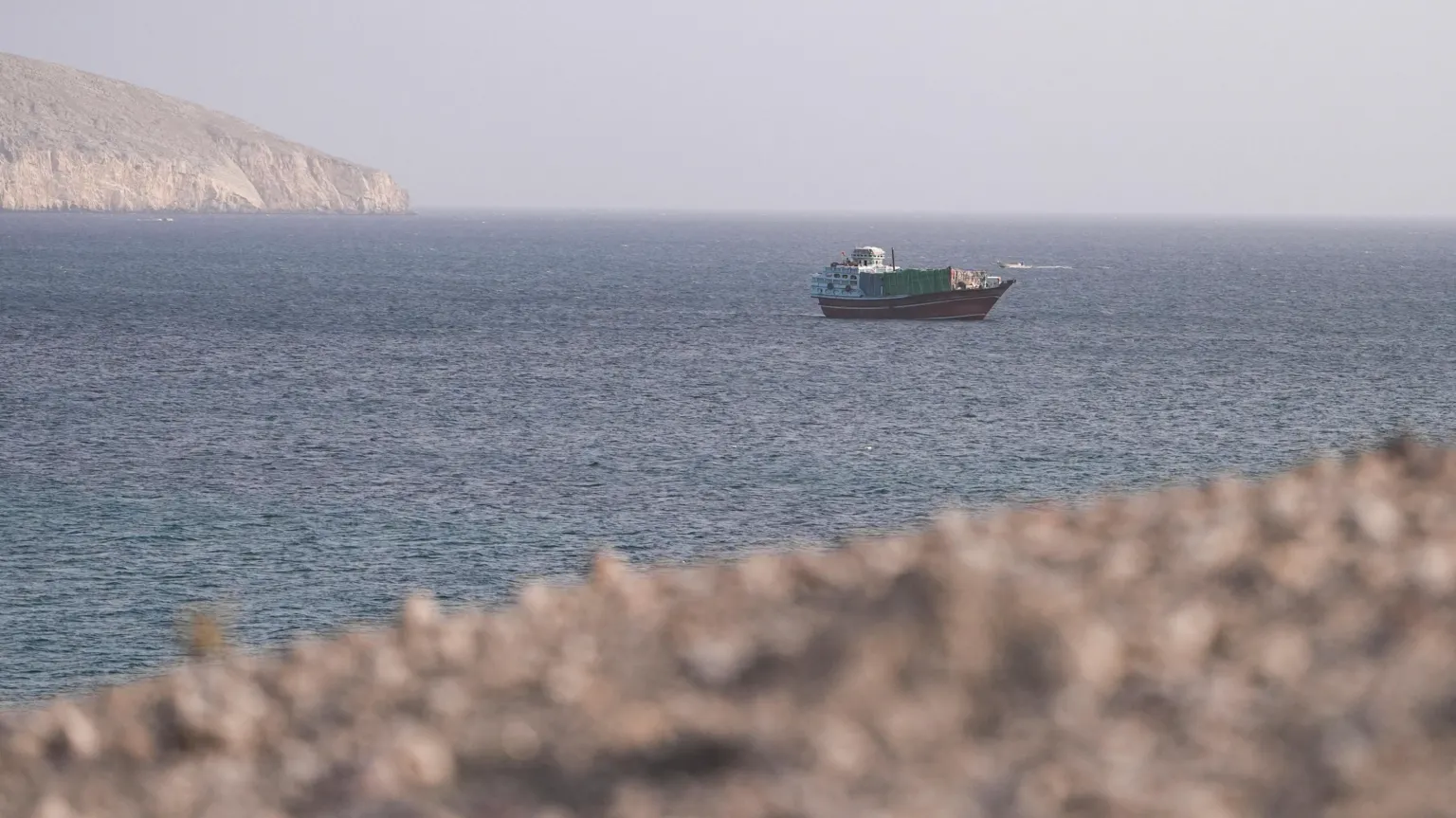
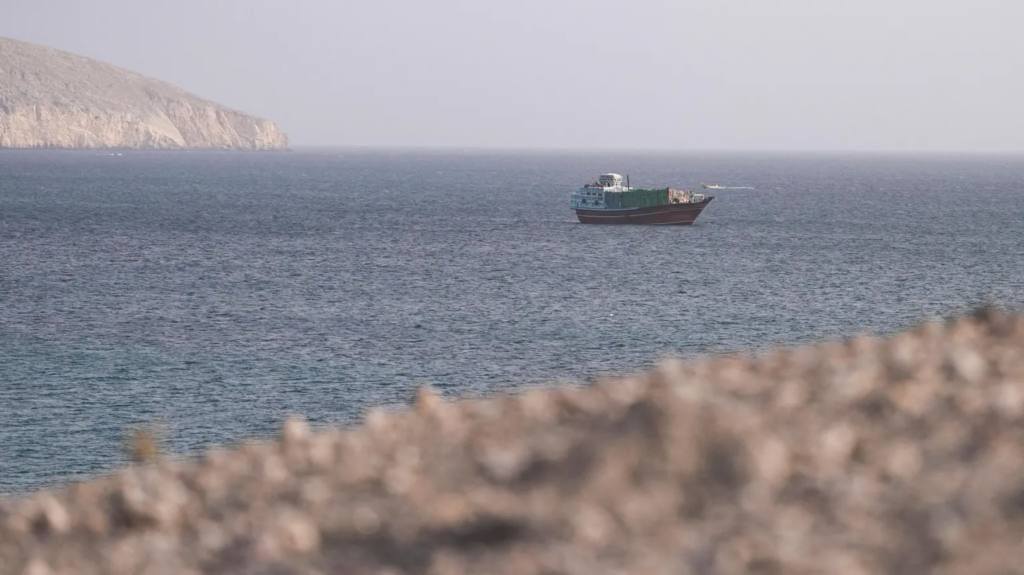
On Friday, the UK Maritime Trade Operations said a tanker had been hit by an unknown projectile while sailing near Khasab in Oman on Thursday. All crew members were reported safe.
DISCLAIMER: The Views, Comments, Opinions, Contributions and Statements made by Readers and Contributors on this platform do not necessarily represent the views or policy of Multimedia Group Limited.
DISCLAIMER: The Views, Comments, Opinions, Contributions and Statements made by Readers and Contributors on this platform do not necessarily represent the views or policy of Multimedia Group Limited.