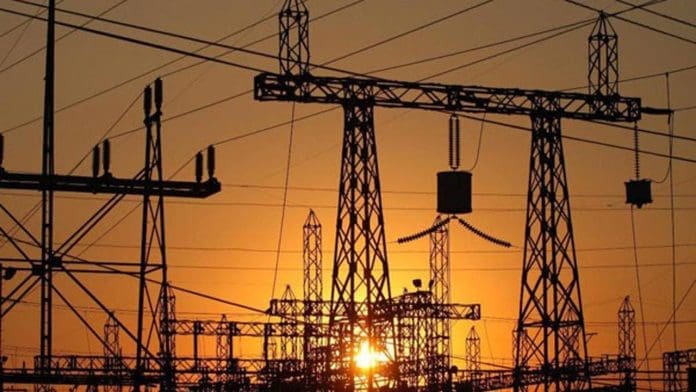
The Association of Ghana Industries (AGI) has warned that recurring electricity disruptions have evolved from a production cost challenge into a structural constraint on Ghana’s industrial competitiveness, calling on government to place sustainable energy at the centre of the country’s industrial strategy.
AGI President Dr. Kofi Nsiah-Poku said energy has become a major structural constraint on industrial growth, competitiveness and investment, warning that the recent energy challenges facing manufacturers underscore the urgent need for reliable, affordable and sustainable power systems.
“Energy remains the lifeblood of industrial growth,” he said. “Without reliable, affordable and sustainable power, industries cannot expand and businesses cannot compete effectively.”
Dr. Nsiah-Poku made the remarks at the Sustainable Energy Business-to-Business (B2B) Expo 2026, held on May 21 at the Accra International Conference Centre under the theme “Powering Industry through Sustainable Energy,” an event featuring more than 30 clean technology providers and drawing stakeholders from across Ghana’s industrial and energy sectors.
He cautioned that Ghana’s 24-hour economy agenda cannot succeed without stable electricity supply, and called on policymakers to treat sustainable energy as central to national industrial policy rather than a peripheral environmental discussion. The AGI specifically called for tax reliefs on renewable energy technologies, affordable green financing and streamlined regulatory processes to support faster industrial energy transition.
Nsiah-Poku highlighted solar power as offering significant opportunities to reduce pressure on the national grid while lowering operational expenses for businesses. He cited the AGI Energy Service Centre as one practical intervention designed to help companies improve energy efficiency and integrate renewables, describing it as the association’s commitment to a future where sustainability and profitability operate in parallel.
Gunnar Wegner, Cluster Coordinator for Energy and Climate at Deutsche Gesellschaft für Internationale Zusammenarbeit (GIZ), framed the energy transition as a business competitiveness issue rather than an environmental one, comparing renewable energy investment to “moving into your own house” — a move that protects businesses from fuel price volatility and recurring energy shocks.
The expo also saw the launch of AyaSol, a new initiative funded by the Arthur Waser Foundation and implemented by Swisscontact Ghana in partnership with the Don Bosco Solar Institute and the Certified Electrical Wiring Professionals Association of Ghana, designed to build a pipeline of youth-led solar businesses and bridge the gap between technical training and sustainable employment in Ghana’s growing solar sector.
Participating organisations included GIZ, Swisscontact, the United Nations (UN) Global Compact Network Ghana, ClimateWorks Foundation, Catalonia Trade and Investment, AHK Ghana and the Energy Commission.