In a significant and symbolic development, all passengers on the first Hajj flight from a single Ghanaian community, Bawku, have travelled together in what officials of the Pilgrims Affairs Office of Ghana describe as a historic step toward unity and reconciliation.
The unprecedented arrangement saw prospective pilgrims from different factions within the Bawku community board the same aircraft, marking the first time such a decision has been implemented in Ghana’s Hajj operations.
Sources close to the decision-making revealed that the initiative was conceived by the Chairman of the Pilgrims Affairs Office of Ghana, Alhaji Abdul-Rauf Tanko Ibrahim, in collaboration with Hajj agents, with subsequent consultation and endorsement from the President. The move, though not a directive from the presidency, received strong backing as a practical effort to promote peace and cohesion among the people.
“This is the first time all passengers on a flight are from Bawku. It is historic,” a source familiar with the arrangement indicated, emphasizing the importance of the decision in addressing long-standing divisions within the community.
The unity flight is also seen as part of broader national efforts to encourage reconciliation. Reports suggest that pilgrims were advised prior to departure to set aside their differences and embrace the spirit of togetherness, particularly in line with Islamic teachings on forgiveness and brotherhood.
A female would-be pilgrim, in an interview, expressed optimism about the development, noting that the group intends to pray for peace and renewed harmony back home. She described Bawku as a resource-rich town with strong potential, stressing the need for unity to restore its progress.
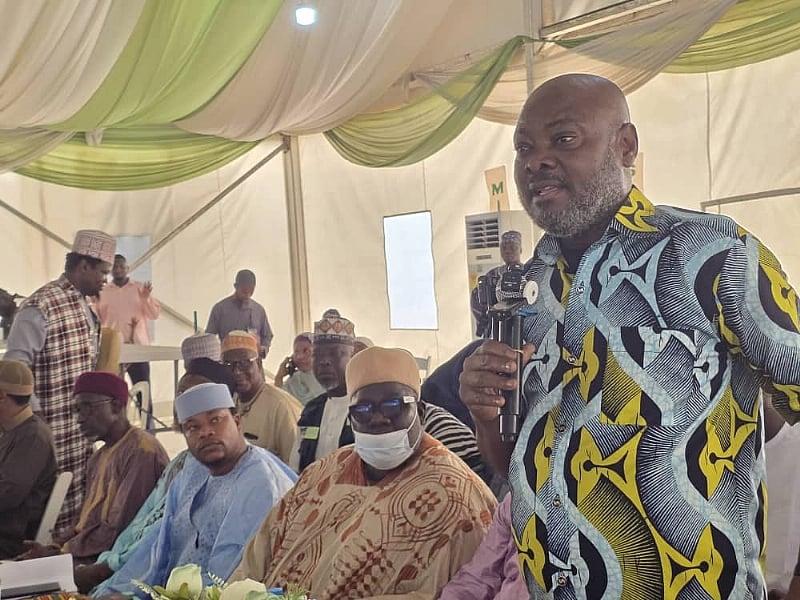
The Northern Regional Minister, Hon. Ali Adolf John who represented the president, addressed the pilgrims, underscored the importance of mutual support, urging them to be “each other’s keeper” throughout the pilgrimage.
Observers believe the decision to place members of the same, yet divided, community on one flight could foster dialogue, healing, and reconciliation, especially as they undertake the spiritual journey together.
The development has been widely described as a strategic and thoughtful intervention that aligns religious obligation with national unity goals, offering hope that longstanding differences within Bawku could gradually give way to peace and cooperation.