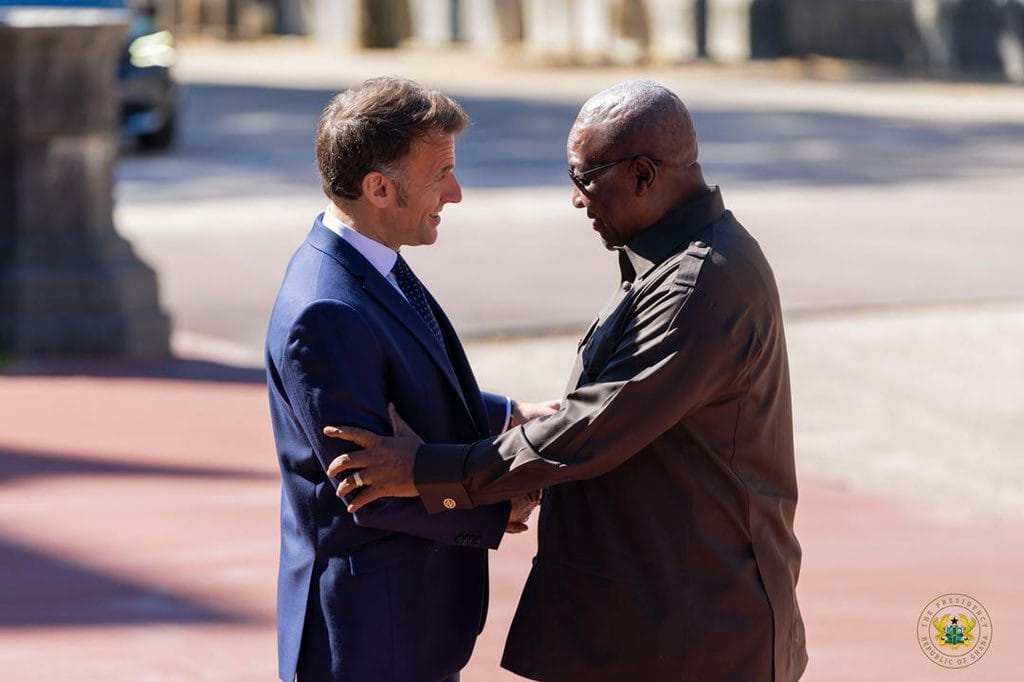
President John Dramani Mahama has called on countries to consolidate their One Health strategies at the national level to strengthen a coordinated global public health framework, as he addressed leaders at the One Health Summit in Lyon.
In his keynote address, Mahama said the One Health approach is not merely a theoretical concept but a practical necessity, stressing that human survival is inseparably linked to the health of animals, plants and the environment.
He said current global health threats no longer respect species or borders, describing human health, animal well-being, plant health and environmental care as one integrated system.
Mahama stated that Africa has long practised the One Health principle through traditional systems that kept communities in lockstep with nature, citing historical examples from Timbuktu, Aksum, Great Zimbabwe and Ancient Egypt, where societies developed methods for diagnosing ailments, managing pests and practising sustainable agriculture.
He noted that more than 50 percent of Africa’s population still depends on herbs and forest resources for medicine, while plant-based therapies historically used for animal healing also protected human health.
On global threats, Mahama identified climate change as the foundational crisis driving food system disruption and infectious disease outbreaks. He also cited ecosystem degradation, biodiversity loss, plastic pollution and the growing burden of non-communicable diseases.
He said in Ghana, non-communicable diseases now account for 42 percent of mortality.
Mahama pointed to pests and disease blights affecting cocoa farming in Ghana and warned that illegal gold mining continues to drive forest degradation and water pollution, with direct consequences for biodiversity.
He said Ghana has introduced the Ghana Medical Trust Fund and free primary health care programmes aimed at prevention, lifestyle change and improved health outcomes.
Mahama identified resource inequality, fragmented regulation and bureaucratic inertia as major barriers to global health security, stressing that countries most at risk often have the fewest resources to respond.
He called for a shift from declarations to action, saying national One Health strategies must be linked to a coordinated global public health framework.
He also urged that One Health be fully integrated into the international security agenda, with equitable access to financing, technology, data, innovation, research and knowledge sharing.
Mahama further called for the creation of an intelligent radar system to prevent future pandemics through robust surveillance, early warning mechanisms, community-level interventions, and agile, interoperable systems.
He said the decisions taken at the summit must strengthen political will to build resilient systems that protect humans, animals and the planet at the same time.